













Through your airplane window, you catch your first glimpse of the Galapagos Islands in the distance. As your plane crosses the equatorial line, a wave of excitement washes over you. You’ve read the brochures, watched documentaries, and followed social media pages, but nothing could prepare you for the raw beauty that lies below. The islands are drenched in sunlight that dances like scattered diamonds across the ocean’s surface, inviting you into a realm of adventure and discovery.
With 13 major islands and over 100 islets, each teeming with exotic wildlife and unique habitats, this guide highlights the top 10 must-see islands and visitor sites in the Galapagos. Drawing from nearly 40 years of exploration experience in Darwin’s archipelago, we’ll showcase the unforgettable wildlife encounters and experiences that make each Island truly exceptional.
Important Note: Many of the islands and visitor sites featured on this list are accessible only by liveaboard yachts. Due to the remote nature and wide spacing of the Galapagos Islands, several sites cannot be reached via day tours from the inhabited islands where hotels are located. Instead, cruises allow you to cover these longer distances overnight, offering a seamless way to explore more of the archipelago. For a detailed comparison of Galapagos cruises vs. hotel stays and their pros and cons, be sure to check out our blog on the subject.
Key Takeaways - 10 Must-Visit Islands
- The best Galapagos islands offer remarkably different experiences—from giant tortoises and penguins to nesting seabirds, marine iguanas, volcanic landscapes, and world-class snorkeling.
- Top sites include Isabela, San Cristóbal, Santa Cruz, Española, Genovesa, Santiago, Bartolomé, Floreana, Fernandina, and remote visitor sites like Tagus Cove—each revealing a different side of the archipelago.
- Where you go determines what wildlife and experiences you’ll encounter—whether your priority is birdwatching, snorkeling, photography, volcanic scenery, history, or seeing iconic Galapagos species up close.
- A liveaboard cruise provides access to more of the Galapagos—reaching remote islands and visitor sites that cannot be visited on typical day trips while covering longer distances overnight.
1. Isabela Island: Home to Blue·footed Boobies and Urbina Bay
- About the Island: Isabela Island is the largest of the Galapagos Islands and is characterized by its volcanic terrain, serene beaches, and diverse ecosystems.
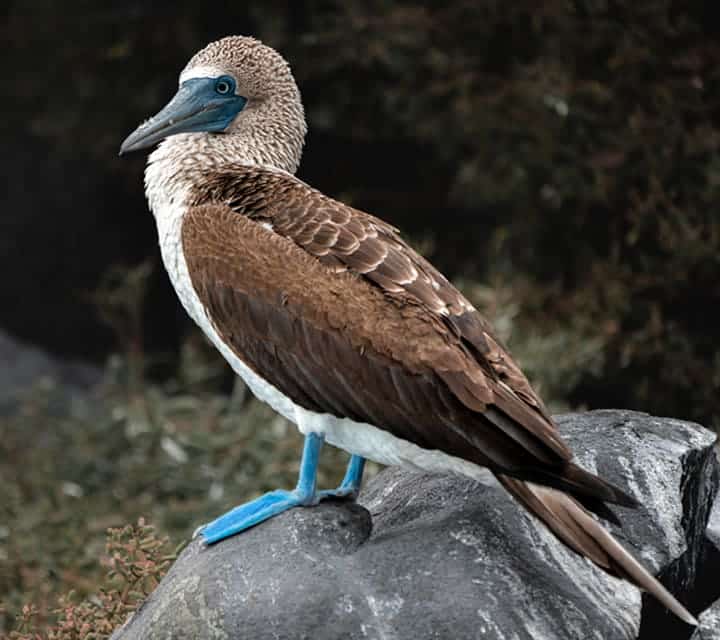
- Wildlife Highlights: Home to countless birds, including the playful Galapagos Penguin and iconic Blue-footed Boobies, Isabela is a paradise for birdwatchers and marine enthusiasts alike.
- Things to Do: At Urbina Bay, which can only be visited when on a cruise, the seabirds’ antics are mesmerizing. Take a snorkeling trip and experience a whirlwind of colorful fish, including blennies, stargazers, and Pacific creole fish—the main prey for boobies. Watching these charismatic birds dive from the sky and snatch up fish is a surreal experience.
- Why Visit: This island offers a quintessential Galapagos experience, blending terrestrial and underwater exploration. It’s also one of the best places to see giant tortoises in the wild.
2. San Cristobal Island: The Mysterious Kicker Rock
- About the Island: San Cristobal Island, the easternmost island, is famous for its rugged beauty and is often the first stop for travelers arriving in the Galapagos.
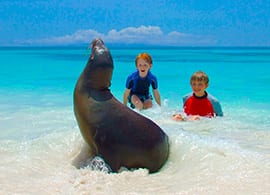
- Wildlife Highlights: Great Frigatebirds can be seen soaring high, while sea lions lounge on the beaches. The Galapagos Sea Lion population here is one of the largest.
- Things to Do: Visit Kicker Rock, an impressive volcanic formation that rises dramatically from the sea. Depending on your vantage point, it resembles a massive tablet or a sphinx. Snorkeling here is spectacular, offering encounters with reef sharks, rays, sea turtles and even hammerheads!

- Why Visit: San Cristobal offers diverse ecosystems and a mix of land and marine life. It’s a perfect destination for both wildlife lovers and history enthusiasts, with ties to Charles Darwin’s early studies.
3. Santa Cruz Island: Home of Giant Tortoises and Green Sea Turtles
- About the Island: Santa Cruz Island is the second·largest island and serves as the main hub for Galapagos cruises. It’s known for its highlands and lush vegetation.
- Wildlife Highlights: Visit the Charles Darwin Research Station to learn about the conservation of Giant Tortoises, including the story of Lonesome George, the last of his species. The island’s Black Turtle Cove, which can only be visited on a cruise, is a protected breeding area for green sea turtles, rays, and baby sharks.
- Things to Do: Explore the Highlands Tortoise Reserve for an up·close view of the ancient giants and venture to Tortuga Bay, where you can kayak amidst marine iguanas and sea turtles.

- Why Visit: Santa Cruz’s mix of bustling town life and serene nature makes it a versatile destination for travelers, providing insights into conservation efforts and vibrant wildlife encounters. It is also the best places to see the iconic Galapagos Giant Tortoises.
4. Española Island: The Nesting Grounds of the Waved Albatross
- About the Island: Española Island is one of the oldest islands in the Galapagos, renowned for its white-sand beaches and cliffside bird colonies.
- Wildlife Highlights: Ornithologists and birdwatchers are drawn to this island by the chance to see its most iconic resident, the Waved Albatross. This is the only nesting site for this majestic bird in the Galapagos, making it a must-visit for bird enthusiasts. Unlike most Galapagos birds, the Waved Albatross migrates and is not present year-round, adding a sense of rarity and excitement to any visit. Be sure to visit the Islands from April to December if you want to see these birds in action.

- Things to Do: Wander the trails to spot Waved Albatross pairs performing their unique courtship dance, a sight that is both beautiful and rare. You can also see Darwin’s finches and colorful marine iguanas.
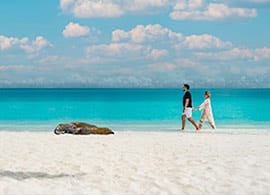
- Why Visit: Española offers a rare opportunity to see these majestic birds up close, making it a must·see for anyone interested in birdwatching. It is also home to Gardner Bay beach, arguably one of the most beautiful white sand beaches of the Galapagos.
- Guarantee The Perfect Adventure
- Avoid The Crowds
- Choose The Right Yacht For You
5. Genovesa Island (Bird Island): A Birdwatcher’s Paradise
- About the Island: Genovesa Island, also called "Tower Island," is known for its dramatic volcanic landscapes and abundant bird life.
- Wildlife Highlights: This island is a birder's dream, hosting large colonies of Red·footed Boobies, Magnificent Frigatebirds, Swallow-tailed Gulls, and the elusive Short-eared Owl.
- Things to Do: Climb Prince Philip’s Steps, an 81·step staircase leading to a plateau with breathtaking views of Darwin Bay. Explore the nesting sites of Nazca Boobies and frigatebirds.
- Why Visit: Genovesa’s remote location means fewer crowds, creating a more intimate experience for wildlife encounters and exceptional bird watching. Snorkeling within its submerged crater is equally impressive, offering the chance to swim alongside majestic manta rays and even the occasional hammerhead shark.

6. Santiago Island: The Black Beach and Fur Seals
- About the Island: Santiago’s black sand beaches and volcanic formations set it apart from other islands.
- Wildlife Highlights: Santiago Island is home to the rare Galapagos Fur Seal, often found lounging on the rocks or swimming in tide pools.
- Things to Do: Hike along the volcanic landscapes, which feature unique fossilized imprints left by past lava flows. You can also snorkel at Sullivan Bay, where you’ll encounter colorful fish and sea turtles.

- Why Visit: Santiago offers a glimpse into the volcanic origins of the Galapagos, combined with the chance to see Galapagos Fur Seals in their natural habitat. Walking across its massive lava fields literally feels like you’re walking on another planet.
7. Bartolome Island: Pinnacle Rock and Galapagos Penguins
- About the Island: Bartolome Island is famous for its stunning panoramic views and the iconic Pinnacle Rock, a unique lava formation.
- Wildlife Highlights: The island is home to the northernmost population of Galapagos Penguins.
- Things to Do: Snorkel around Pinnacle Rock, where you’ll encounter playful penguins, reef sharks, and colorful fish. Hike to the summit for sweeping views of the island's volcanic landscape.

- Why Visit: Bartolome’s mix of dramatic landscapes and rich marine life makes it a favorite for photographers and marine enthusiasts. It’s also THE place for the perfect Galapagos postcard photo from the summit, where you are treated to spectacular views of Pinnacle Rock, the immense black lava flows at Sullivan Bay and the rest of Santiago Island, and Daphne Major and Minor.
- About the Cove: Tagus Cove, located on the western side of Isabela Island, offers a stunning natural harbor surrounded by steep cliffs.
- Wildlife Highlights: Spot Flightless Cormorants, the only cormorant species in the world that has lost its ability to fly.
- Things to Do: Take a dinghy ride along the shore to observe sea turtles, Galapagos Penguins, and even the occasional whale. Hike up to Darwin Lake, a saltwater crater lake with panoramic views of the surrounding volcanoes.
- Why Visit: Tagus Cove combines marine exploration with history, as it was once a favorite stop for whalers and pirates. It is also one of the few places in Galapagos where you can commonly spot sea horses while snorkeling.
- About the Island: Floreana Island is steeped in a mysterious history, filled with tales of pirates, whalers, and a scandalous baroness at the center of a murder drama.
- Wildlife Highlights: Visit the lagoon to spot Galapagos Pink Flamingos and venture to Post Office Bay to leave a postcard in the historic barrel.
- Things to Do: One of the best snorkeling spots in the entire archipelago is Devil’s Crown, an eroded volcanic crater teeming with vibrant marine life. You can also relax on the island’s beaches, where sea lions and rays frolic in the clear waters.
- Why Visit: Floreana’s blend of history, wildlife, and surreal landscapes makes it one of the most diverse islands to explore.
- About the Area: Fernandina Island, the youngest island in the archipelago, is known for its untouched beauty and active volcanic landscapes.
- Wildlife Highlights: Large colonies of Marine Iguanas can be seen basking on the rocks, sometimes in massive piles. This site is also a haven for Flightless Cormorants and Galapagos Hawks.
- Things to Do: Walk along the rugged lava paths to observe iguanas, sea lions, and Galapagos Penguins.
- Why Visit: Punta Espinosa offers a raw, primal encounter with Galapagos wildlife, where evolution seems to be in action before your eyes. It’s also one of the premier spots in the archipelago to snorkel alongside marine iguanas, watching them feed beneath the waves.
8. Tagus Cove (Isabela Island): Flightless Cormorants and Whale Watching

9. Floreana Island (Santa Maria): Rich History and Flamingos

10. Punta Espinosa (Fernandina Island): Marine Iguanas and Lava Landscapes

Why visit the Galapagos Islands?
The Galapagos Islands promise a travel experience like no other—truly transformative and unmatched anywhere else on Earth. It’s the only destination where both adults and children can safely get up close and even interact with wildlife in its natural environment. With each island presenting a unique ecosystem, travelers have the rare opportunity to witness evolution and biodiversity at its best. Whether you’re drawn to the penguins of Bartolome, the giant tortoises of Santa Cruz, or the mysterious tales of Floreana, this magical archipelago leaves no one unchanged. Pack your adventurous spirit, and let the Galapagos be your next unforgettable journey. Start planning now for your Galapagos luxury cruise with Quasar Expeditions.
