Updated: May 05, 2026 Published: December 02, 2025
Torres del Paine National Park offers some of the most dramatic landscapes in the world, where photography becomes a way to capture not just the scenery, but the depth and emotion of Patagonia itself.
In the far south of Chile, where the Andes meet the windswept plains of Patagonia, lies Torres del Paine National Park, a UNESCO Biosphere Reserve and one of the most spectacular photography destinations in the world. Granite spires rise dramatically from glacial valleys, turquoise lakes mirror jagged peaks, and wildlife roams freely across golden grasslands.
For travelers with a camera in hand, the park offers a perfect combination of dramatic landscapes, rich biodiversity, and ever-changing light. The beauty here is as varied as it is vast, each turn in the trail, each shift in the weather, and each season offers something new to capture.
Through our regular Patagonia Overland Safaris and our specialized Puma Tracking, Wildlife & Photography Safaris, we position guests in the right place at the right time for unforgettable images. Whether you choose a self-drive adventure or a guided experience, the landscapes and wildlife of Torres del Paine will fill your memory card and your heart.
Key Takeaways
Torres del Paine is one of the most visually striking landscapes in the world - where dramatic peaks, glaciers, and open plains create constantly changing scenes.
Experiencing Patagonia through photography reveals a deeper perspective - capturing light, scale, and fleeting moments that often go unnoticed in real time.
Wildlife and landscapes come together in powerful ways - from guanacos and condors to vast, untouched wilderness that feels both raw and alive.
The journey becomes more than sightseeing—it becomes a way of seeing - inviting travelers to slow down, observe, and connect more deeply with the environment.
Gear Essentials for Photography in Patagonia
The key to photography here isn’t having the most expensive camera — it’s having equipment that’s versatile, durable, and ready for quick weather changes.
Camera & Lenses: A wide angle and a good zoom lens (at least 70-200) will let you capture a wide variety of landscapes and wildlife from a safe distance.
Tripod: Useful for sunrise, sunset, and low-light wildlife moments, especially on calmer days. A heavier tripod is recommended (or one with a central hook to add weight) for to windy conditions.
Weather Protection: Even in summer, Patagonia can surprise you with sudden rain or wind. A simple waterproof cover for your camera and a lightweight rain jacket can save the day.
Backpack: A comfortable, weather-resistant pack keeps your gear close and accessible during hikes.
You don’t need to be a professional to come home with beautiful Torres del Paine photos. The striking scenery does much of the work for you. Here is a list that attempts to cover everything that you will need to bring to be comfortable during any of the activities in which you choose to participate. - Patagonia Packing List
Lenses for Wide Landscapes and Distant Wildlife
Even if you’re not carrying multiple professional lenses, it’s worth having a camera or device that can handle both wide landscapes and zoom for wildlife. The Paine Massif is breathtaking when captured in its entirety, and animals like guanacos or condors are best photographed from a respectful distance.
Weatherproofing and Maintenance in the Field
Patagonian weather can go from still to stormy fast. Use a protective case or cover for your camera, keep a microfiber cloth handy for raindrops, and have a small dry bag in your pack. On multi-day treks or safari drives, simple care like storing gear out of direct wind and wiping dust regularly keeps it working smoothly.
Where to Capture the Most Stunning Views
Torres del Paine is home to a variety of viewpoints, lakes, and valleys, all reachable on our itineraries. The park contains over 100 lakes and countless smaller lagoons and fjords, with the Andes forming the park’s stunning backdrop. Chile is home to the world’s longest mountain range, stretching roughly 7,000 km (4,300 miles) along South America’s western edge, and here in the south, its peaks and glaciers provide a constant photographic companion.
Sunrise at Base Torres
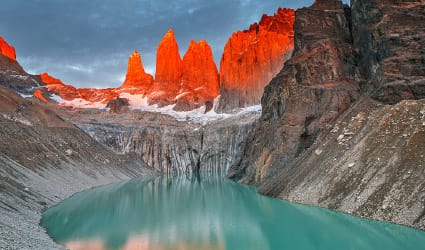
The hike to the base of the Torres is one of the park’s most famous. Reaching the viewpoint rewards you with an unforgettable scene: three sheer granite towers rising nearly 9,000 feet, glowing in the morning sun. From here, the alpine lagoon in the foreground offers a still-water reflection that doubles the drama. Quasar’s Safaris pacing allows you to make the early start needed to get a front-row seat to one of Patagonia’s most famous sights and witness this golden moment without feeling rushed.
Reflective Lake Views and Mountain Backdrops
Torres del Paine’s lakes are as iconic as its mountains, offering glassy reflections and contrasting colors that shift with the light. Fed by glacial meltwater and rainfall, they range from deep turquoise to icy blue, framed by the jagged silhouettes of the Cuernos del Paine and Paine Massif. Calm mornings often reward early risers with perfect mirror-like surfaces.
Some of the most photogenic lake stops on our safaris include:
Lake Pehoé: Known for its striking turquoise waters and picture-perfect views of the Cuernos del Paine. On still days, the reflections are postcard-worthy.
Lake Grey: Home to floating icebergs calved from Grey Glacier. On certain itineraries, you can even see it from your hotel window.
Laguna Azul: Offers an eastern view of the Torres, framed by lenga forests and seasonal wildflowers. Autumn brings particularly vivid color to this tranquil location.
Lighting and Timing for Perfect Shots
In Patagonia, light is more than a backdrop; it transforms the scene. The long days of summer in Chile’s Torres del Paine National Park can mean lingering golden light, while autumn and winter bring lower sun angles that add drama to landscapes.
Capturing Golden Hour and Blue Hour in the Mountains
Golden hour, just after sunrise and before sunset, bathes the granite and grasslands in warm tones. Blue hour, the softer light that follows, lends a cooler mood perfect for silhouettes or still waters. Our Patagonia luxury safaris give you flexibility to linger when the light is right, or return to a favorite viewpoint under different conditions.
Embracing Patagonia’s Wild Weather
Patagonia weather in Torres del Paine has a personality all its own, and for photographers, it’s part of the adventure. Clear skies can give way to sudden showers, clouds sweep dramatically over the mountains, and rainbows often follow storms. The park is also famous for lenticular clouds — smooth, lens-shaped formations created when strong winds meet the Andes. These are most common in spring and winter, adding an otherworldly dimension to your images.
Instead of packing away your camera when conditions change, embrace them. Stormy skies and shifting light often produce the most atmospheric and memorable shots.
Photographing Wildlife in Their Natural Habitat
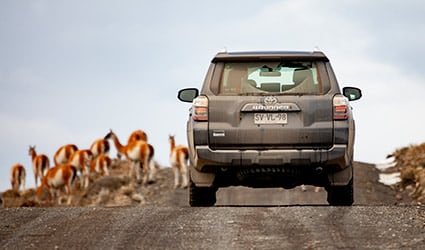
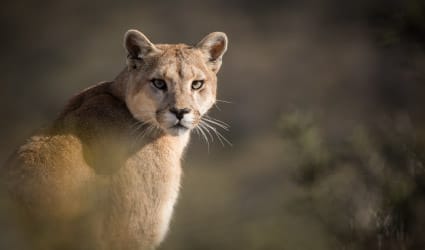
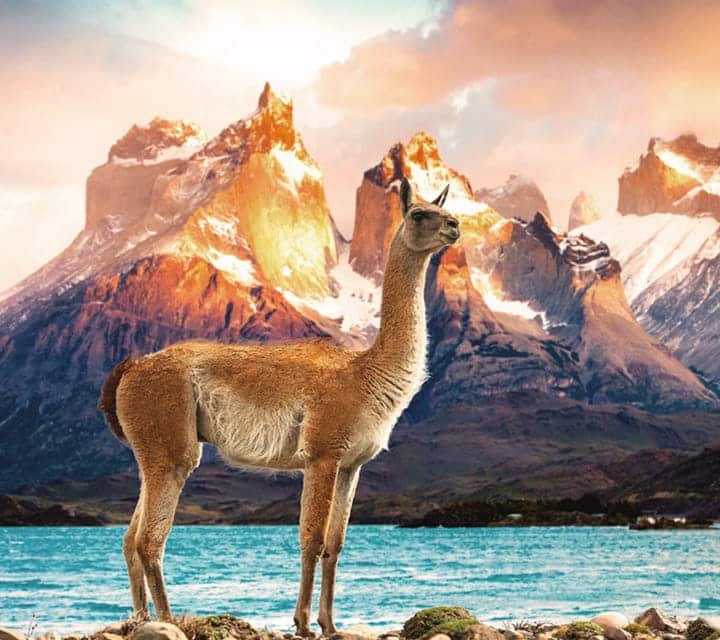
From the moment you enter Torres del Paine, you’re sharing the space with Patagonia wildlife. Guanacos graze the open steppe, Andean condors soar overhead, and foxes dart across the road. And then there’s the Puma, the park’s most elusive resident.
On Quasar’s Puma Tracking, Wildlife & Photography Safaris, local trackers use their knowledge of the land to safely find and observe these apex predators, particularly in the Secret Season when the park is quieter. You’ll also encounter waterfowl on Lake Grey, caracaras perched on fence posts, and possibly even herds of guanacos with young in spring.
Pumas: Best tracked with expert guides during the Regular Season (Oct–Apr) and the Secret Season (May–Sept), when quieter trails increase sightings.
Guanacos: Common across the steppe; use a telephoto to capture their expressions without spooking them.
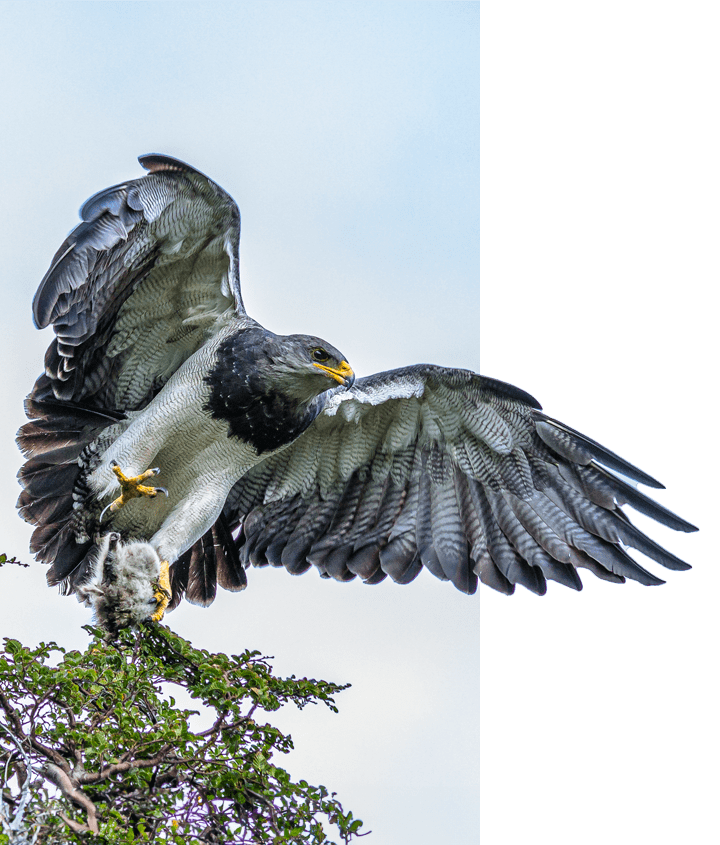
Andean condors: Often seen soaring near cliffs and ridgelines; a fast shutter speed will freeze their 3-meter wingspan in flight.
Foxes, rheas, and waterfowl: Frequently spotted near lagoons and open grasslands.
5 Critical Planning Tips That Can Make Or Break Your Patagonia Adventure
Download this must-have guide to avoid the mistakes that 90% of travelers make when visiting Patagonia.
Fill out the form below and check your inbox in a few minutes.
Seasonal Guide for Photography in Torres del Paine
Season:
Months:
Conditions:
Photographic Highlights:
Summer
December – March
Long days, mild temperatures, accessible trails
Wildflowers, extended golden hours, full lake reflections
Autumn
March – May
Crisp air, fewer visitors, vivid foliage
Red and gold lenga trees, moody skies, wildlife in rut
Winter
June – August
Snow on peaks, fewer open trails, very few visitors
Pristine snow scenes, condors in clear skies, Secret Season Puma tracking
Spring
September – November
Blooming flowers, active wildlife, mix of snow and greenery
Newborn guanacos, colorful blooms, contrasting snow-capped peaks
Framing the Landscape: Composition Techniques
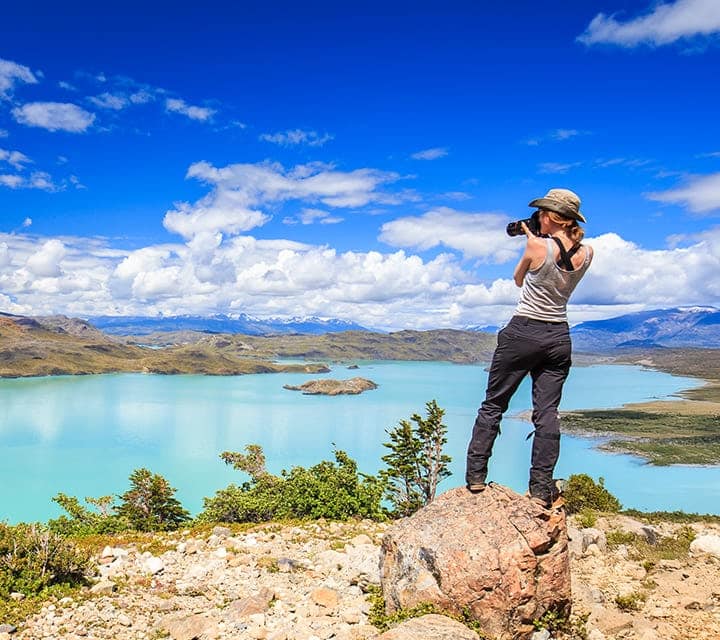
Even simple techniques can elevate your images. Use natural lines like a winding trail or river to guide the eye into the frame. Place a rock or wildflower patch in the foreground to add depth. And don’t forget the human element — a hiker in the distance can give a sense of scale to the towering peaks.
Editing for the Patagonian Palette
Patagonia’s colors are vivid in person but can sometimes look flat in photos. Light adjustments to contrast, shadow, and color balance can bring them closer to what you saw. Popular editing programs like Lightroom or even mobile apps make it easy to enhance without altering the natural look.
It depends on your goals. Summer offers the longest days, autumn gives rich colors and fewer crowds, winter provides solitude and snowy peaks, and spring brings new life to the park.
Not at all. Even a smartphone can capture striking images in Torres del Paine thanks to the dramatic scenery and light. A camera with zoom is helpful for wildlife.
Recreational drone use is prohibited without official authorization.
Tell Your Torres del Paine Story Through Your Lens
Photographing Torres del Paine is about more than collecting images; it’s about telling a story of place, light, and life at the edge of the world.
With Quasar Expeditions, you choose your pace. Self-drive Overland Safaris offer flexibility to linger when the light is perfect, while guided Safaris maximize wildlife encounters through expert local knowledge. Both ensure that you are in the right place, at the right time, for unforgettable Torres del Paine National Park images.
I’ve spent years helping travelers capture these moments, and I’d love to help you plan yours. Schedule a call with me today and let’s design your perfect Patagonia photography adventure.
Hello! My name is Tasha. I love to travel to see new places and meet new people. I am passionate about creating unique travel experiences for adventurous travelers with a desire to see some of the most remote corners of South America. I have traveled extensively to Patagonia, Chile, Argentina, Galapagos, Ecuador and many other areas of this wild continent and I am eager to share my knowledge with the world.
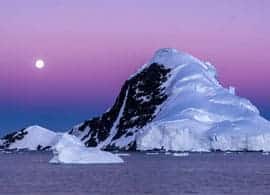
For anyone who’s read Mr. Popper’s Penguins or enjoyed watching these flightless seabirds zip around an aquarium or zoo, a trip to Antarctica might seem like the ultimate treat for curious children. Where else can you go to watch penguins slide around on ice, in nature? That said, traveling to the ends of the earth …
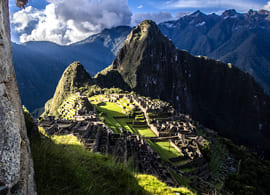
Machu Picchu has long captivated travelers with its remarkable history and mystical mountain setting. But as you’re planning a trip to this wonder of the world, the logistics can feel like an obstacle that stands in the way of your bucket-list adventure. How do you actually get to this remote Incan citadel? What’s the closest …
Most travelers reach Peru by flying into Lima, the country’s main international gateway. From there, domestic flights and other connections make it easy to explore destinations like Cusco, Machu Picchu, the Sacred Valley, the Amazon, and beyond. That is the practical answer. The more meaningful one is that Peru is not a destination that reveals …
Close your eyes and imagine arriving in Antarctica. Maybe you’re bundled up in layers on the deck of an expedition ship, and rewarded with the sight of white cliffs emerging from an inky sea spotted with crumbling glaciers. Or maybe you’re touching down on a remote landing strip, watching as an endless white wilderness seems …