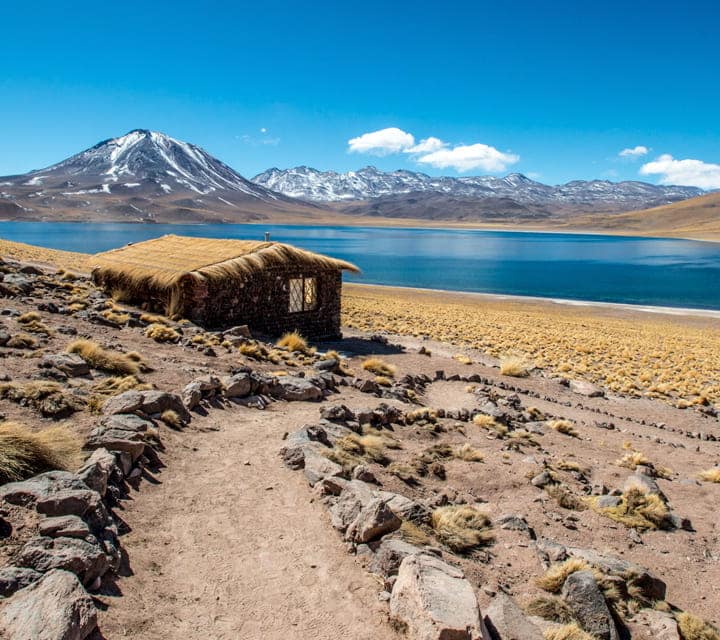













The Atacama Desert offers some of the best stargazing in the world. It’s also the closest you can get to Mars without getting in a spaceship, with its solid ocean of crusted sand flats, volcanic geothermal field that erupts into geysers, and wind-sculpted red rock formations. The desert seems to stretch on to the ends of the earth.
As you’re planning your trip, you may be wondering how to get the timing just right. When do the Atacama’s stars appear brightest? When is the weather most comfortable, and when should you float in Cejar Lagoon, also known as the “mini Dead Sea?” How can you make sure you don’t miss out on something spectacular?
Here’s the good news: there’s no wrong time to visit. You won’t find dramatic seasonal transitions in Atacama. Instead, what shifts is how you experience the desert. The lighting of your photos, the rhythm of your days, the number of people around you, and even where you are for the most memorable moments & wildlife can all change by season.
With 40+ years of experience designing journeys across South America, we’ve seen firsthand how timing shapes everything during Quasar's Atacama luxury tours. That’s why we’ve come to believe that the better question isn’t “When should I go?” but, What kind of experience do I want once I get there?
Here’s all the information you’ll need to figure out the answer.
Key Takeaways - When to Visit Atacama Desert
- The Atacama Desert is the driest desert in the world, and has some of the darkest and clearest night skies.
- Atacama's otherworldly landscapes are often compared to Mars.
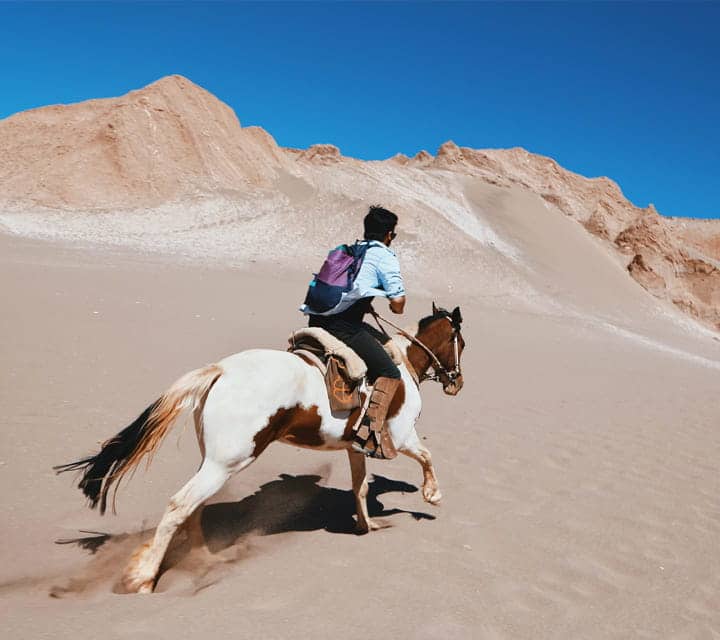
- There's no bad time to visit Atacama. You can go horseback riding through the Salt Mountains, float in Cejar Lagoon, or explore the Rainbow Valley year-round.
- Weather is almost always mild in Atacama, rarely dropping below 50°F (21°C) or rising above 90°F (32°C).
The Atacama Desert... a journey beyond the ordinary.
Step into one of Chile’s most photographed regions and see its bubbling geysers, ancient hot springs, starry skies, curious wildlife and crystal-clear blue lagoons. You may feel as though you’re unraveling the mysteries of the universe.
Understanding Atacama’s Seasons (They’re Not What You’d Expect)
Unlike many other places with clearly defined seasons, Atacama’s transitions are more subtle. As the driest desert in the world, it experiences extremely low humidity year-round. Rainfall is rare, so you won’t have to plan around weather disruptions. Because of that, it’s possible to do many of the desert’s most wonderful activities, such as horseback riding through the Salt Mountains, exploring Rainbow Valley, and floating in Cejar Lagoon at any time of year.
What matters more is how the environment your experience, from the intensity of the sun during your daytime excursions and the temperature drops at night, to the timing of sunrise and sunset, the presence of other travelers, and the clarity of the night sky. Add to that the desert’s elevation—between 7,900 and 13,000 feet (2,400 and 4,000 meters)—and you begin to understand how dynamic Atacama can be.
This is part of what makes Atacama so compelling. It’s not about choosing the best conditions, but about choosing the version of the desert you most want to experience.
Winter (May–September) — The “Secret Season”
While the Northern Hemisphere is experiencing summer, Atacama enters winter, which many consider its most rewarding season. Winter may not seem like the obvious choice for a trip, but it offers a combination of conditions that are difficult to replicate and can add extra magic to your experience, whether you’re hiking through deep canyons lined with cacti, scanning otherworldly landscapes for wildlife, or pedaling a bike around the oasis town San Pedro de Atacama.
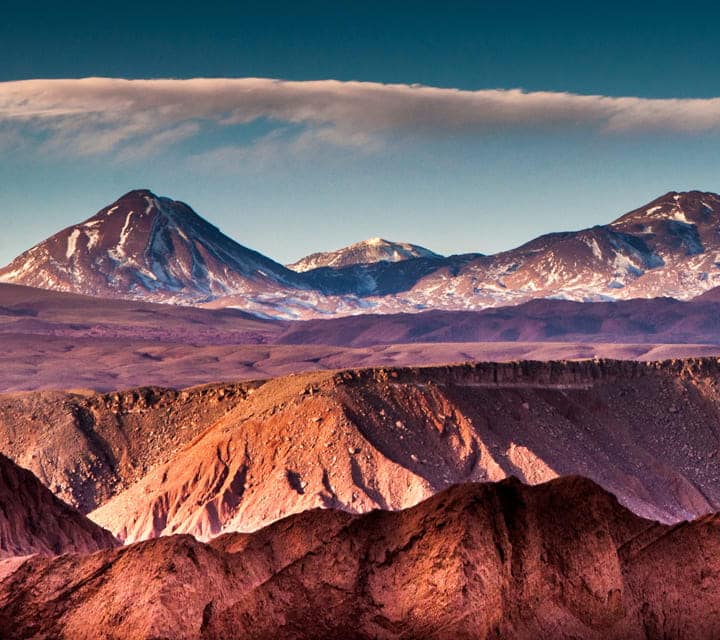
Since winter is also the quieter season for tourists, you can have many stretches of the pockmarked desert, salt-dusted mountain peaks, and electric blue lagoons almost entirely to yourself. The desert’s snow-topped volcanoes are a particularly mesmerizing sight.
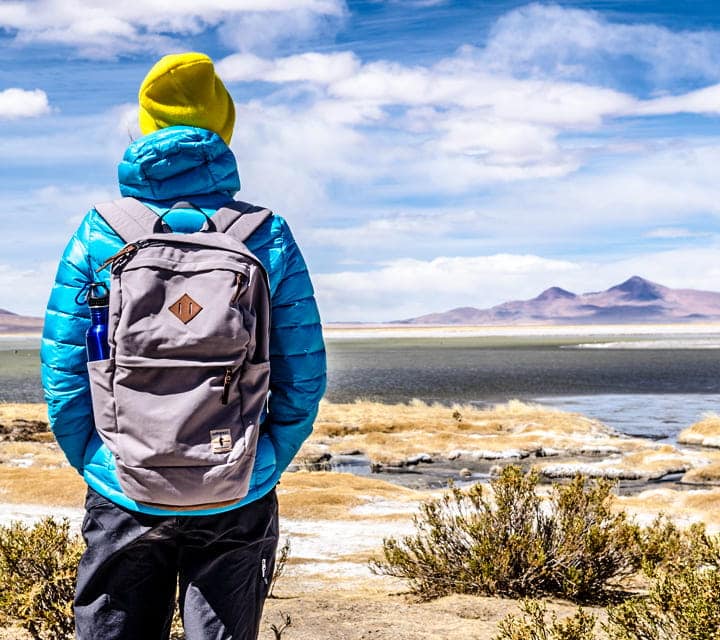
Layers are essential for the cooler mornings and evenings, but expect days to be mild and comfortable, around 50-70°F (10-21°C). The defining feature of winter isn’t temperature, though. It’s daylight. Sunrise comes later and sunset comes earlier, which means you’re able to catch both during a day that combines great adventure with true rest and relaxation.
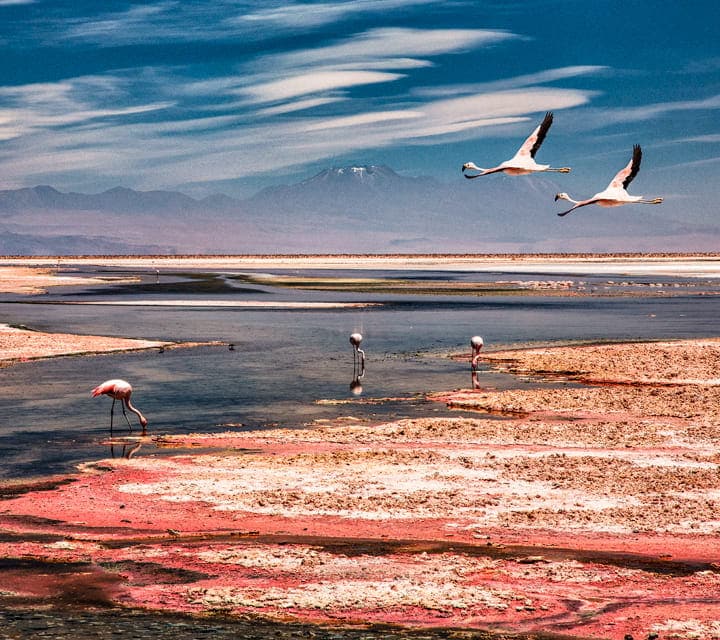
Imagine catching the Valley of the Moon bathed in the colors of the sunset, without dozens of other travelers around disrupting the quiet of the desert with endless posing for selfies. Or spotting flamingos in the salt flats at golden hour, then gazing up at an incredibly clear night sky without having to stay up late into the night. You'll see the Tatio Geysers at sunrise without having to wake up painfully early. These are the moments that stick with you.
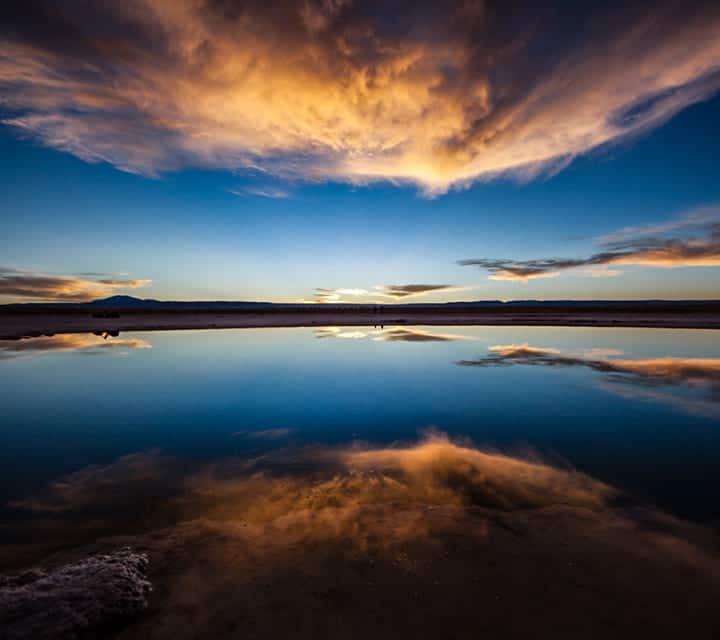
Atacama Winter Season Highlights:
- Witness the Tatio Geysers erupt at sunrise…without a middle-of-the-night wakeup call
- Soak in the Puritama Thermal Pools, most therapeutic at this time of year
- Comfortable daytime temperatures
- Later sunrises and earlier sunsets perfectly bookend a day of adventure
- Fewer crowds offer a more immersive experience, with more exclusive access
- Exceptionally clear skies for stargazing
Atacama's "Secret Season" Is Best For:
- Active travelers with flexibility during Northern Hemisphere summer, who are looking for something different from a standard beach getaway
- Those excited about photography, especially at sunset or nighttime
- Avid stargazers
- Anyone seeking a quieter, more relaxed experience
Summer (December – February): Peak Season
Summer in the Atacama Desert offers a different kind of energy. It’s the most popular time to visit, particularly for travelers escaping winter in the Northern Hemisphere. That means it’s even more essential to have expert Guides and a thoughtfully designed itinerary to make sure you’re not competing for photo ops and quiet corners everywhere you go.
Temperatures are significantly warmer during these months, often soaring into the high 80s to low 90s Fahrenheit (low 30s Celsius) during the middle of the day. The dry air makes the heat more tolerable (think Arizona weather), but the temperatures still influence how you feel during your excursions. With sunset as late as 8:30 p.m., days also stretch longer, creating more time to explore. Activities can extend later into the evening, and you can fit more in.
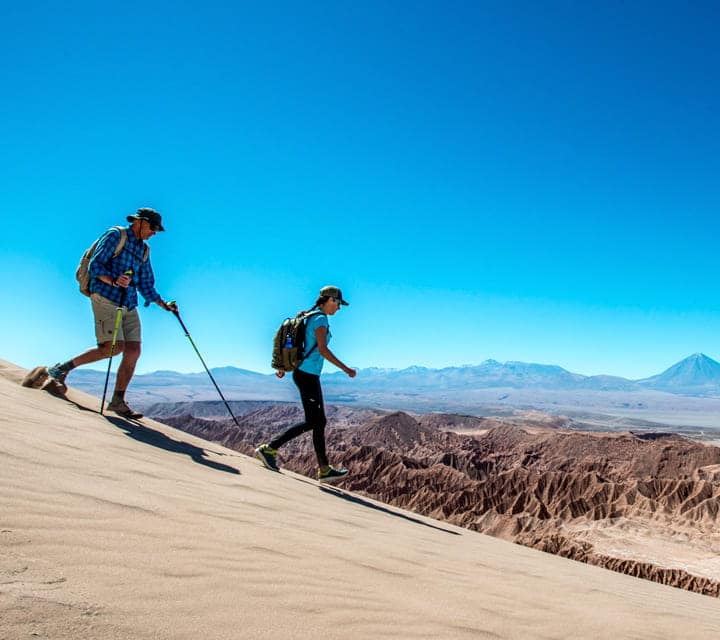

During summer, a unique weather pattern known as the “Bolivian winter” sometimes affects the region. “Bolivian winter” storms roll in from the Andes, and occasionally bring rain or temporary disruptions to excursions. It doesn’t happen every day, but when it does, it’s a rare opportunity to witness the driest place in the world doused in water.
San Pedro de Atacama, the town that forms the gateway to the region for most travelers, feels livelier in summer when there are more visitors in town. Some travelers prefer the relative quiet of other seasons, but many feel energized by the buzz around town that contributes to a sense of shared wonder.
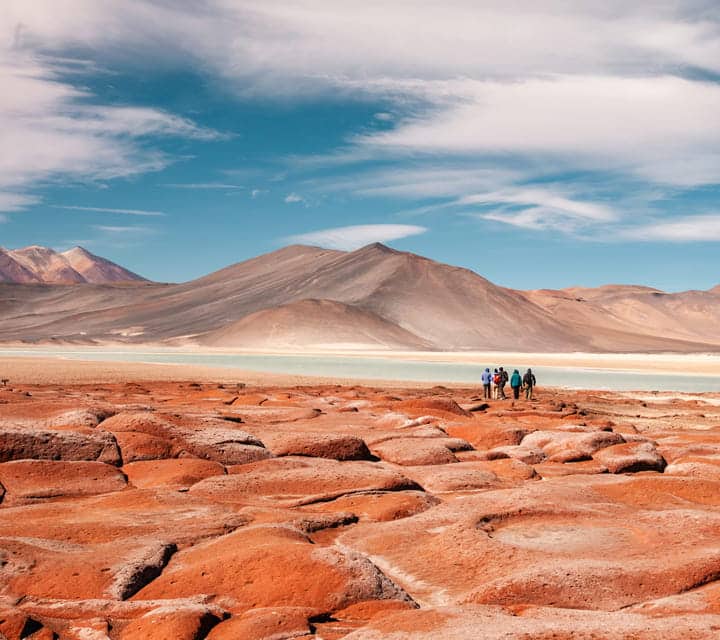
Atacama Summer Season Highlights:
- Float in Cejar Lagoon, the ‘mini Dead Sea’
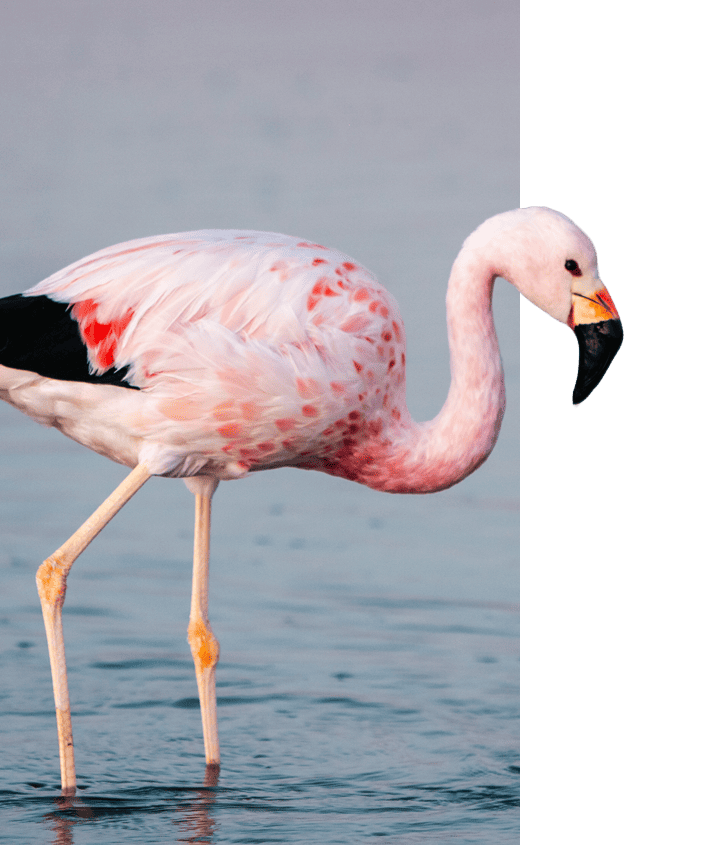
- See the striking contrast of pink flamingos grazing in the salt flats
- Warm-to-hot temperatures
- Long daylight hours
- More lively atmosphere in town
The Atacama Summer is Best For:
- Travelers with fixed schedules
- Those who enjoy longer, fuller days and don’t mind the heat
- Travelers looking for a more social experience
Shoulder Seasons (March-April & September–November) — Balance
For many travelers, the shoulder seasons offer the most balanced experience. Temperatures are moderate and stable, crowds are lighter than in peak season, and your days can be more spontaneous. October is often a favorite time to visit, with warm days and comfortable nights.
With spring (September through November) comes the possibility of the Desierto Florido, or Desert Bloom, a rare phenomenon in which flowers blossom in parts of the desert, turning the red and brown landscape into a kaleidoscope of purples and yellows. It doesn’t happen every year, but when it does it’s spectacular.
Atacama Shoulder Seasons Highlights:
- Moderate, comfortable temperatures
- Fewer crowds than peak months
- Balanced daylight and pacing
Atacama Spring & Fall is Best For:
- Travelers seeking flexibility
- Those looking for comfortable and stable conditions
Stargazing: A Year-Round Highlight…If You Get it Right
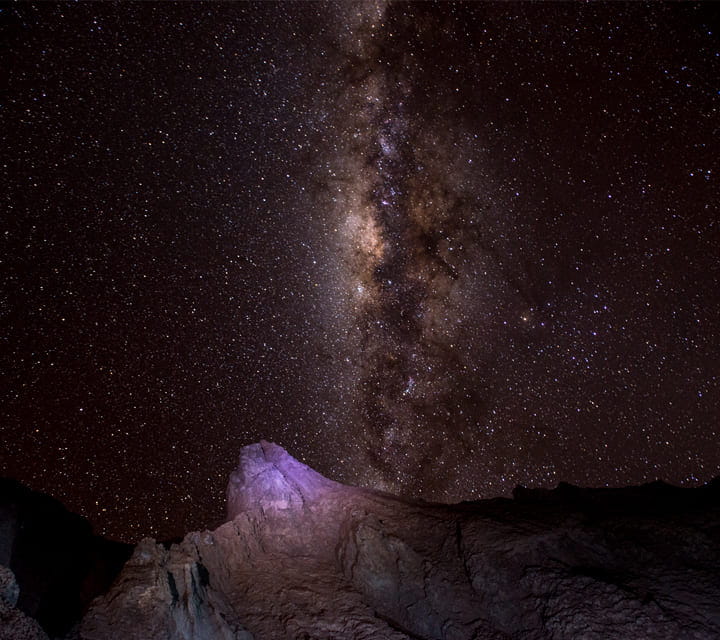
The Atacama Desert is one of the premier stargazing destinations in the world. Its extreme dryness means almost no clouds get in the way. Combined with high altitude, minimal light pollution, and constant air movement that clears particles, the Desert offers extraordinary clarity, which is why many of the world’s most advanced observatories are located here. For Quasar Guests, these conditions, along with access to high-quality telescopes, make for a world-class stargazing experience.
If stargazing is a priority, timing your visit to align with the moon cycle is essential. A full moon can wash out the sky, while darker nights (ideally during a new moon) reveal the Milky Way in all its glory. We can help you time your trip to start after the full moon, so you can experience maximum darkness and the best night sky you’ve ever seen. It’s the kind of starry night you’ll rave about for years to come.
Wildlife, Landscapes, and What You’ll See
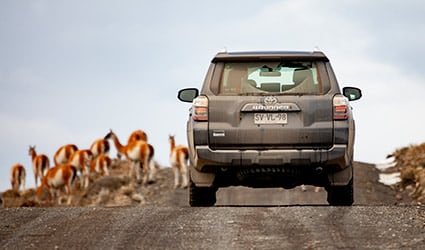
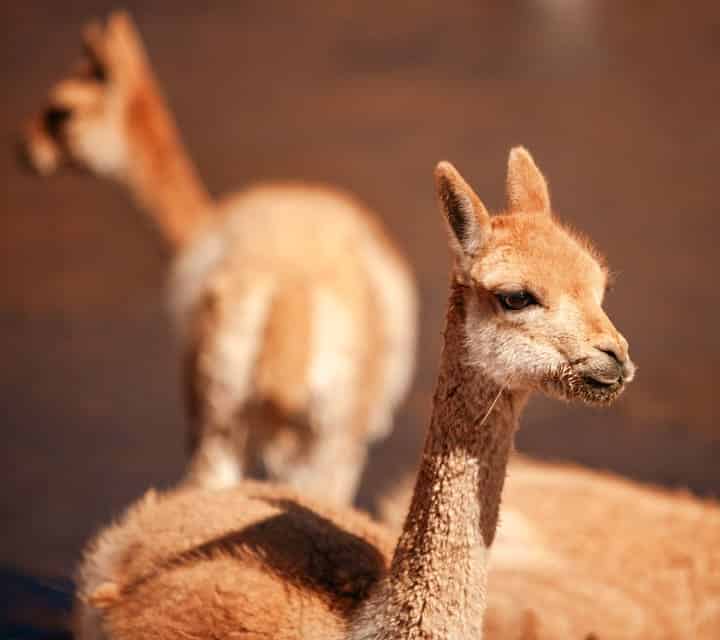
Wildlife in Atacama remains relatively consistent throughout the year, which means you’ll likely encounter flamingos, foxes, chinchillas, llama-like vicuñas, and see condors and other birds overhead no matter when you choose to travel. While there may be slightly fewer flamingos in the salt flats in winter, sightings are still likely year-round.
What changes more noticeably is the landscape itself. From salt flats and lagoons to otherworldly red rock formations, surreal pockmarked valleys, and cactus-filled canyons, the desert reveals itself differently depending on the light. Here, the purity of the air gives everything a heightened clarity. Colors feel more vivid, contrasts are more defined, and you may never see the exact same view twice.
Why Timing Matters in the Atacama Desert
In a place like this, being in the right place at the right time matters. Whether you’re most excited about epic sunsets, clear night skies for stargazing, or getting all the most scenic spots to yourself, when you go defines these moments.
During the winter, sunset takes place at around 6:00 p.m. This allows you to see how the landscape changes in the shifting light while you're still out exploring, before you return to your hotel for dinner and a relaxed evening, maybe with some time in the spa. In summer, sunset can happen as late as 8:30 p.m.
The difference may seem subtle, but it shapes how your adventure unfolds, and thoughtful planning makes a difference.
So, When Should You Go?
When should you experience Atacama for yourself? The answer depends on the experience you’re looking for. Here’s a cheatsheet for when to visit Atacama:
- For ideal pacing and fewer crowds: Winter
- For longer days and a more energetic atmosphere: Summer
- For balance and flexibility: Spring or fall
- For stargazing: Any time, except around the full moon (which is very bright)
The Atacama Desert doesn’t change dramatically with the seasons and neither do the excursions you can choose from. But your experience of it sure will. Choosing the right time to visit isn’t about finding the perfect weather—it’s about choosing the version of Atacama that will stay with you forever.
Ready? Let’s go. Learn more about your Atacama trip here.