












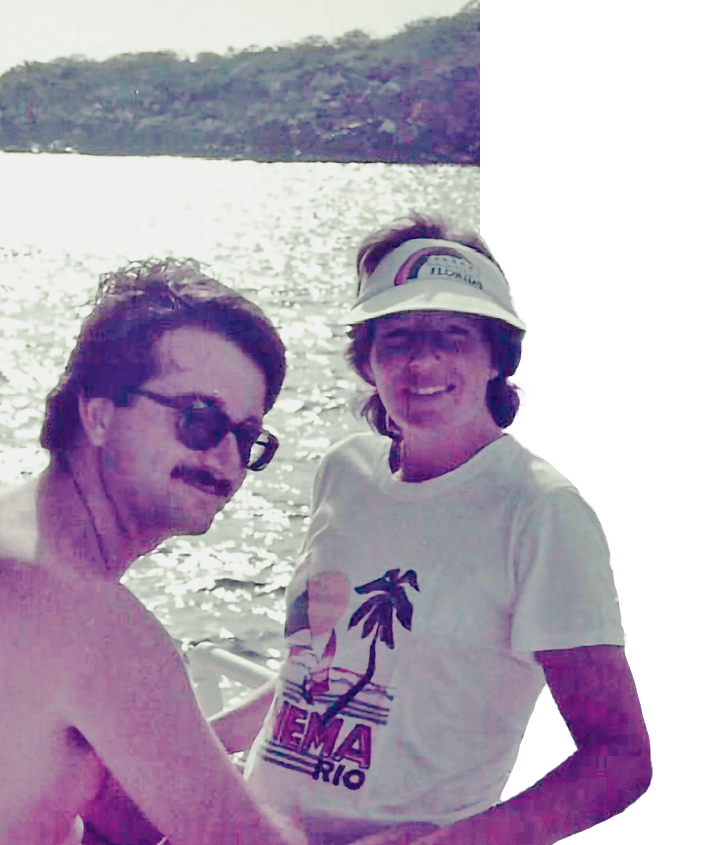
As the founders of Quasar Expeditions, my husband Eduardo and I have dedicated nearly four decades to exploring and preserving the breathtaking Galapagos Islands through our safari-style cruises. In our journey, we’ve witnessed firsthand how responsible tourism plays a pivotal role in maintaining the delicate balance of this extraordinary ecosystem.
“The Galapagos needs tourism, but not just any tourism—responsible tourism that respects and supports the local population and recognizes the delicate balance between wildlife and community well-being.”
Since 1986, we’ve observed the stark difference between adventurers and tourists. True adventurers aren’t just ticking destinations off a list. They’re on a quest to form a heartfelt bond with the world and collect lasting memories—while ensuring their journey leaves no trace behind.
Honorably, some of our own adventurous Guests have expressed concern about whether visiting the Galapagos is truly beneficial for its preservation. Let me assure you, responsible tourism is not just crucial—it’s essential for ensuring the continued vitality of the Galapagos.
Key Takeaways – Responsible Tourism in the Galapagos
- Responsible tourism provides funding and economic incentives that support Galapagos conservation.
- Local employment and sourcing help tourism benefits reach Galapagos communities and families.
- Strict regulations and Naturalist Guides help protect wildlife while educating travelers about conservation.
- Quasar supports lower-impact tourism through intimate voyages, sustainability initiatives, and conservation-focused practices.
The Role of Tourism in Conservation
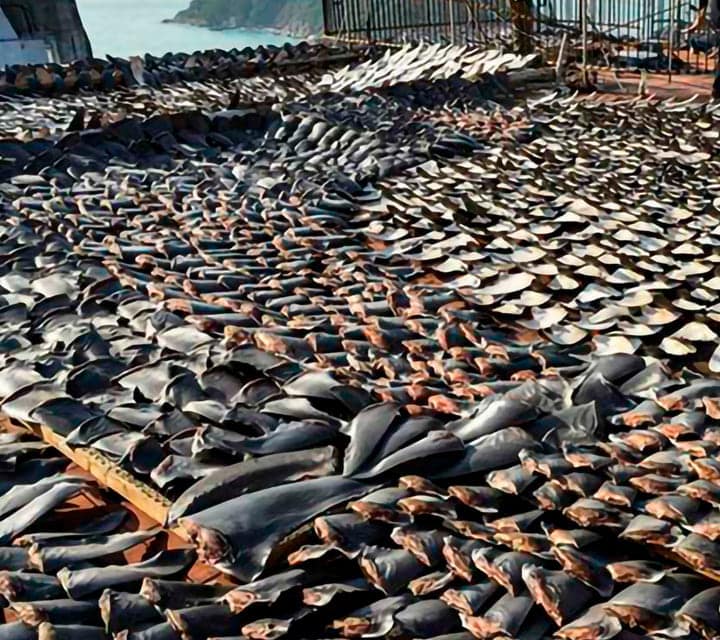
Without the support of responsible tourism, the Galapagos National Park would face much graver threats. Poaching, particularly by foreign fishing fleets operating just outside the park’s boundaries, poses a significant risk to the islands' unique wildlife. Covering 97% of the land and 100% of the marine area, the park enforces strict visitor limits to protect this precious environment. Each day, only 1,660 visitors are permitted on live-aboard boats and 180 on day cruises, ensuring minimal disturbance to the wildlife.
While these numbers might seem high at first glance, they are a stark contrast to destinations like Hawaii, which receives over 200,000 visitors daily. The extensive development and mass tourism in Hawaii have led to severe declines in wildlife, a fate the Galapagos Islands have managed to avoid thanks to its rigorous conservation practices and carefully regulated tourism.
Economic and Social Benefits
Tourism in the Galapagos is more than just a path to conservation; it is a vital force for supporting and enriching the local community. The islands have been home to residents long before they attracted global tourism, and today, many locals find employment within the tourism sector. By hiring local talent and sourcing products like food from the islands, we help alleviate the pressure on their resources and ensure sustainable livelihoods.
Our crew members, trained in environmental stewardship, are passionate advocates for the Galapagos, and their enthusiasm extends to their families and communities. We invest in educational programs for local youth, providing scholarships and training that prepare them for careers in tourism or other fields. This approach ensures that every step taken in the Galapagos contributes positively to both the economy and the environment, fostering a future where the islands remain a pristine haven for generations to come.

Imagine a world where every tour company adopts a similar ethos—where each organization embraces at least one initiative to protect and sustain their destination. Picture vibrant local markets thriving with fresh produce, artisans showcasing their crafts, and children in school, their futures brightened by scholarships and training programs funded by tourism. Envision the streets alive with the sense of community, where every tour guide knows their guests not as mere visitors, but as friends and partners in preserving the beauty they love.
The Human Element
Responsible tourism in the Galapagos, particularly through yacht-based adventures, helps deter illegal activities such as poaching. The presence of tourists and Naturalist Guides acts as a protective measure for the wildlife, ensuring that the islands remain a sanctuary for their unique inhabitants. Our dedicated Guides and crew are not only passionate about the Galapagos but also serve as enthusiastic advocates for its preservation, educating our guests and creating a ripple effect of environmental awareness.
“Without tourism that supports the Galapagos National Park, the Galapagos Islands would have been stripped of its wildlife long ago by poachers. The park’s strict regulations and the funds from tourism are crucial in keeping this unique ecosystem thriving.”
- Paul Schicke, Manager of Direct Sales & Senior Expedition Designer, Quasar Expeditions

A Testament to Local Expertise and Collaboration
Since 1975, the Galapagos Islands have upheld a vital standard: every visitor must be accompanied by a licensed Naturalist Guide, a requirement that underscores the importance of local expertise. Our Galapagos Naturalist Guides, deeply rooted in their communities, are not just experts—they are passionate ambassadors of their homeland. On landing days, as you wander through vibrant streets, you’ll notice your guide greeting nearly everyone you pass as friends or family, showcasing the island’s close-knit community.
Our commitment to local collaboration extends beyond guiding. The honey you enjoy aboard our yachts comes from a Galapagos farm operated by one of our team members. By sourcing locally and working with local producers, we ensure that the benefits of tourism ripple through the community, fostering genuine connections and mutual prosperity.
“The tourism industry, especially yacht-based tourism, is the best ally for wildlife and the preservation of Galapagos for future generations. By employing locals and involving them in conservation, we foster a deep, lasting connection to the environment.”

This dedication to integrating local knowledge and supporting sustainable practices exemplifies our commitment to responsible tourism. Every adventure with us is designed to honor the natural beauty of the Galapagos while enriching the lives of those who call it home.
Addressing Misconceptions
It’s true that not all tourism benefits the environment. Poorly managed operations can have detrimental effects on fragile ecosystems. That’s why it’s essential to choose companies that prioritize sustainability and responsible practices.
“It’s critical that the tourism industry evolves to prioritize the preservation of this fragile ecosystem and organizes visits with the utmost care and consideration for its unique needs.”
At Quasar, we continuously assess the needs and challenges faced by the local population, advocating for stricter regulations to ensure that only genuinely interested and respectful visitors come to the Galapagos.

Download our detailed month-by-month guide to discover which animals you can see and what weather to expect.
DOWNLOAD THE GUIDE
A Call for Immersive, Responsible Tourism
Responsible tourism isn’t about ticking off a box on your bucket list. It’s about immersing yourself in the landscape, heritage, culture, and wildlife of every destination and striving to leave it better than you found it. Every national park, including the Galapagos, deserves visitors who appreciate its true value and understand its fragility. Eliminating tourism is not an option, as many livelihoods depend on it. Instead, we must foster eco-conscious tourism that supports conservation efforts and benefits local communities.

Quasar’s Commitment to Sustainable Tourism
At Quasar, our commitment to the Galapagos goes beyond simply guiding tours; it’s about preserving the islands and their unique habitats. Our yachts host fewer guests than many other operators, ensuring a more intimate and respectful experience. We believe that each voyage should be a meaningful journey that respects and protects the environment.
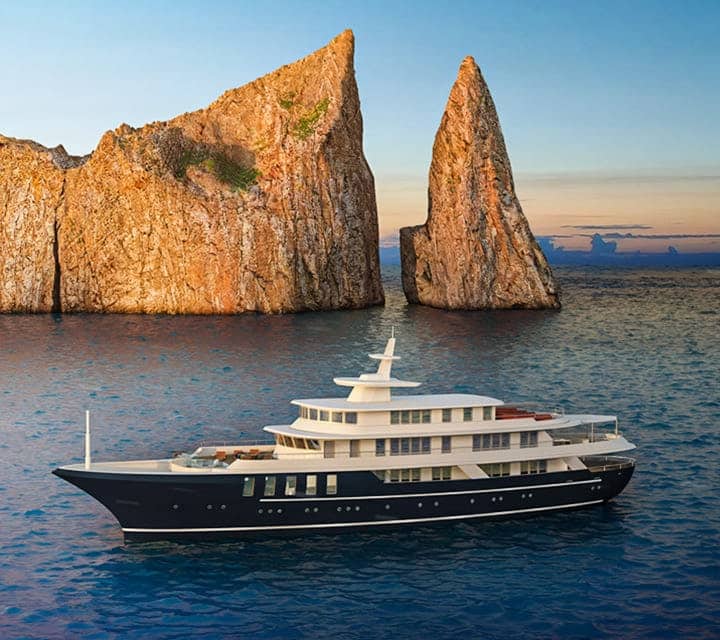
Our latest endeavor, the hybrid yacht Conservation, exemplifies our dedication to sustainability. With funding from the Inter-American Development Bank, this vessel introduces the first hybrid engine system in the Galapagos and utilizes cutting-edge green technology. This project, five years in the making, sets a new standard for eco-friendly travel and marks a significant step forward in sustainable tourism.
“The more I visit the Galapagos or any other of the world’s natural areas, the more convinced I am that the ecotourism industry is the key to preserving these destinations for future generations.”
The truth is, responsible tourism is not ruining the Galapagos Islands—it’s saving them. Through sustainable practices, economic support for local communities, and an unwavering commitment to conservation, we ensure that these islands remain a natural wonder for future generations. At Quasar, we invite you to join us in this mission, experiencing the Galapagos in a way that honors its beauty and contributes to its preservation.
Dive deeper into our sustainable practices and initiatives and see how each voyage with us contributes to a brighter future for the Galapagos Islands.