






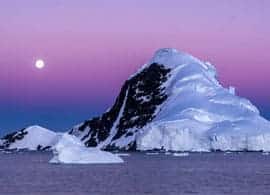








For anyone who’s read Mr. Popper’s Penguins or enjoyed watching these flightless seabirds zip around an aquarium or zoo, a trip to Antarctica might seem like the ultimate treat for curious children. Where else can you go to watch penguins slide around on ice, in nature?
That said, traveling to the ends of the earth means submitting to nature’s dominance on a journey shaped by shifting weather and extreme conditions. For adventurous families with teenagers or older children, that can be exactly what makes it so rewarding. There’s nothing better for family bonding than a shared sense of awe as you cruise through iceberg-dotted waters hoping to spot whales, make shore landings on untouched territory, and learn about the significance of the continent.
Antarctica isn’t right for everyone, however. Children over the age of 8 are welcome aboard air cruises with our partner, Antarctica21, though we typically recommend these adventures for children over the age of 12.
So, how do you know whether Antarctica is right for your family?
Key Takeaways: Antarctica Cruises for Families & Kids
- Antarctica can be an excellent family destination for the right family, especially adventurous families with teens and older kids.
- Some expeditions accept younger children, but Antarctica is typically best for older children and teens.
- Wildlife, Zodiac excursions, shore landings, and expert-led educational experiences keep curious kids highly engaged.
- Fly/Sail itineraries can be especially appealing for families, as they reduce time at sea.
Is Antarctica Good for Families?
For adventurous families, Antarctica offers the unique chance to explore untouched nature together on a once-in-a-lifetime adventure.
One morning might start with a calm Zodiac ride past towering icebergs. Later, your family explores uninhabited territory, passing by a penguin colony on a giant white cliff as your feet crunch on hard-packed ice. Without the distractions of the modern world, you can enjoy family bonding in its purest form. Thanks to limited connectivity, days aren’t centered around screens and to-do lists but around wildlife, exploration, and education.
Just keep in mind that an Antarctica cruise is not a conventional kids’ vacation. You won’t find waterslides on an expedition ship. Instead, you’ll reward their adventurous spirits with experiences they won’t be able to find anywhere else on Earth: cold, Antarctic winds; watching in awe as whales and seals hunt amid the ice; and gliding past the frozen continent.
This is what makes an Antarctica cruise a trip to remember.

What is the Best Age to Take Kids to Antarctica?
There is no magic number when it comes to the best age, but teenagers and older children will often get the most out of the experience. They tend to have an easier time boarding Zodiacs for landings, and are better equipped to handle the cold. They’ll also get more out of kayaking experiences, Guide talks, and hikes.
Perhaps most importantly, though, they are also more likely to appreciate what they are seeing.
A teenager can connect glacier calving to something they’ve learned in science class, or ask engaged questions about how penguins survive in this environment. Older children will also benefit more from the expert lectures offered onboard, which are a key benefit of the experience.
This also means that parents and teenagers or older kids can share in their well-informed awe for Antarctica, leading to those precious family moments that can only come from travel.

Can Young Children Travel to Antarctica?
Yes, on some expeditions.
Generally, children ages 8 and up are welcome on our partner Fly/Sail expeditions, provided they are at least 3.9 feet (1.20 meters) tall, weigh at least 66 pounds (30 kilograms), travel with a responsible adult, and meet the operator’s other requirements, like being able to move safely around the ship and quietly observe wildlife from an appropriate distance.
But while younger children may technically meet the requirements, it’s worth considering whether waiting a little longer might lead to experience for the whole family.

Will Kids Get Bored in Antarctica?
For curious, outdoorsy kids, Antarctica offers an engaging variety of experiences because it functions like a living classroom, with endless opportunity for discovery.
No two days in these parts are exactly alike. The weather changes, excursions differ, landing sites vary, and the wildlife shows up on its own schedule. You might see Antarctic tern on an icy shoal or baleen whales breaking the surface of the water in the morning and learn about their significance in an on-board presentation in the afternoon. There’s always something new to see and learn about.

Best Activities in Antarctica for Kids
Depending on the itinerary, conditions, and age of your kids, you might experience:
- Zodiac landings to explore icy landscapes beneath giant glaciers and search for wildlife, with optional snowshoeing adventures for Guests ages 15 and up.
- Spotting active penguin colonies, seals, Antarctic birds, and any of the ten species of whales found in Antarctica.
- Citizen science initiatives, in which kids can get involved in collecting important data samples or attending educational presentations.
- Optional sea kayaking among icebergs, paddling through pristine Antarctic waters for an intimate, water-level perspective of the surrounding ice and dramatic polar landscapes. Available for Guests ages 15 and up.

Fly/Sail vs Sailing the Drake With Kids
Traditionally, explorers could only reach the Antarctic Peninsula by sailing across the Drake Passage, a rough stretch of sea between South America and Antarctica.
These days, you can fly quickly and easily between Punta Arenas, Chile, and King George Island, skipping the Drake Passage entirely. We highly recommend choosing a Fly/Sail package if you’re traveling with children, to minimize the risk of getting seasick.
On a Fly/Sail journey, you replace two days at sea with two hours in the air. With less travel time, you’ll have more time for the bonding experiences you came all this way to enjoy.

What Parents Should Consider Before Taking Kids to Antarctica
Before booking an Antarctica cruise for your family, consider:
- Your child’s age and maturity level.
- Their comfort with boats, cold weather, and outdoor exploration.
- Their ability to follow Expedition Team instructions.
- Their flexibility when weather changes the day’s plans.
- Their genuine interest in wildlife and nature.
- Their patience with quieter moments between excursions.
- Whether they need constant organized entertainment to stay engaged.
When Antarctica cruises are a good fit, they can truly be the journey of a lifetime.

Why Patagonia and Antarctica Belong on the Same Family Trip
If your family is already making the journey to the southern edge of South America to reach Antarctica, Patagonia is a natural extension of the adventure.
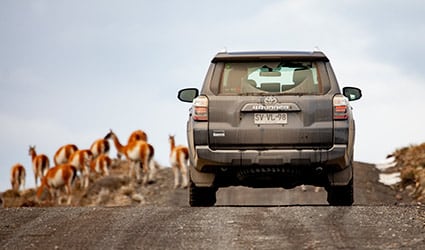
In Patagonia, your family can travel by private 4x4 through wide-open landscapes, look for guanacos on wind-swept plains framed by mountains, watch giant Andean condors carving circles in the sky, hike to stunning viewpoints, and return each evening to a comfortable lodge.
Once the kids have adjusted to this new level of remoteness, they’ll venture even further off the beaten path, as mountains give way to icebergs, condors give way to penguins and seabirds, and roads disappear altogether.
Instead of visiting Antarctica as a single isolated destination, your family can experience a well-rounded journey from one of South America’s great wildernesses to its final frontier. This creates a journey arc similar to the grand expeditions of yore, as a Patagonia luxury tour sets the stage and Antarctica becomes the grand finale.

Ready to learn more about your family’s greatest adventure yet? Get in touch with an expedition designer for a no-obligation call and start exploring whether Antarctica—and Patagonia—are the right fit.