















Dreaming of the Galapagos evokes images of rare wildlife, volcanic landscapes, and pristine blue waters. But if you’re new to the idea of cruising—especially in a remote location like the Galapagos, 600 miles from the Ecuadorian mainland—you might have the issue of sea sickness lingering in the back of your mind. Concerns about choppy seas, stormy nights, seasickness in the Galápagos, and isolation in the Pacific can feel intimidating. However, the reality of a Galápagos cruise might surprise you: it’s one of the safest and most serene yachting experiences in the world.
For those debating between larger and smaller Galapagos vessels or wondering how to manage seasickness, there’s a lot to consider. This guide will explore the safety of cruising in the Galapagos, the differences between ship sizes, practical advice for dealing with seasickness, the importance of stabilizers, and what makes top-tier cruise operators, like Quasar Expeditions, stand out in ensuring a safe and smooth sailing experience.
Key Takeaways – Seasickness on a Galapagos Cruise
- Seasickness occurs when the brain receives conflicting signals about motion from the eyes and inner ear.
- Small Galapagos yachts balance intimate wildlife experiences with comfort, access, and personalized service.
- Yacht stabilizers can reduce rolling motion and improve comfort for travelers sensitive to seasickness.
- Cabin choice, hydration, light meals, and appropriate medication can help manage seasickness symptoms.
Understanding The Basics of Seasickness
Seasickness isn’t an illness—it’s your body’s natural reaction to the unfamiliar motion of a boat on water. Your inner ear, the part of your body that helps maintain balance, detects the constant rocking and swaying of the vessel. But here’s the tricky part: while your body feels the motion, your eyes might see a steady, unmoving scene, like the inside of a cabin. This mismatch confuses the brain, triggering a stress response that can lead to the common symptoms associated with seasickness. It’s important to remember that seasickness is simply your balance system being thrown off, not an actual sickness. Everyone’s sensitivity to it varies, and understanding this can help you better prepare for your adventure in the Galapagos.

Why Staying at a Hotel in the Galapagos Won’t Save You from Seasickness?
One of the biggest myths about visiting the Galapagos is that staying at a hotel will help you avoid seasickness. That’s simply not true. To understand why, it’s important to know how the Galapagos National Park is set up. Over 97% of the archipelago is designated as a protected national park and off-limits to development, leaving only a small portion of the islands available for hotels.

While hotels may seem like a convenient option, especially if you’re worried about seasickness, accessing the park from them is both challenging and ironically, where seasickness is most likely to occur. Most visitor sites—around 70 terrestrial and 70 marine—are only accessible by boat. Hotels rely on day tours aboard smaller, less stable boats, which often involve long, choppy rides to reach these sites—the perfect recipe for seasickness. Unless you plan to stay at the hotel all day without venturing into the national park (in which case a destination like the Mayan Riviera might be a better fit), staying at a hotel in the Galapagos won’t shield you from seasickness.
In contrast, liveaboard cruises provide seamless access to the islands. These vessels travel overnight, anchoring in calm waters near landing sites so you can wake up ready for up to two excursions daily, plus activities like snorkeling and kayaking. While hotels offer a glimpse of port towns and might work for divers or families with toddlers, liveaboard cruises deliver the fullest Galapagos experience, complete with unparalleled wildlife encounters, flexible itineraries, and exclusive access to the untouched, authentic side of the archipelago.

Why are the Galapagos Ideal for Smooth Sailing?
Equatorial Location and Protected Waters
The Galapagos Islands benefit from their location directly on the equator, providing them with a unique advantage over many other ocean destinations. Unlike other parts of the Pacific or tropical regions that may experience hurricanes or severe storms, the Galápagos are unaffected due to the minimal Coriolis effect at the equator. This means the archipelago enjoys consistently mild weather, making it one of the safest and most stable ocean cruising destinations.
Additionally, the Galápagos Islands are one of the safest tourist destinations in all of South America. As a protected National Park, Marine Reserve, and UNESCO Natural Heritage site, the Galápagos is inherently a controlled and regulated destination. This protected status ensures that the region maintains strict environmental and safety standards, adding to the overall sense of security for travelers.
These predictable weather patterns and comprehensive regulations mean that cruises in the Galápagos are rarely affected by sudden weather changes, providing peace of mind for travelers.

1.) Which Ship Size Is Better for a Galápagos Cruise?
One of the main questions travelers face is whether to choose a large ship or intimate yachts for a Galápagos cruise. This choice can affect everything from stability and comfort to access to remote sites.
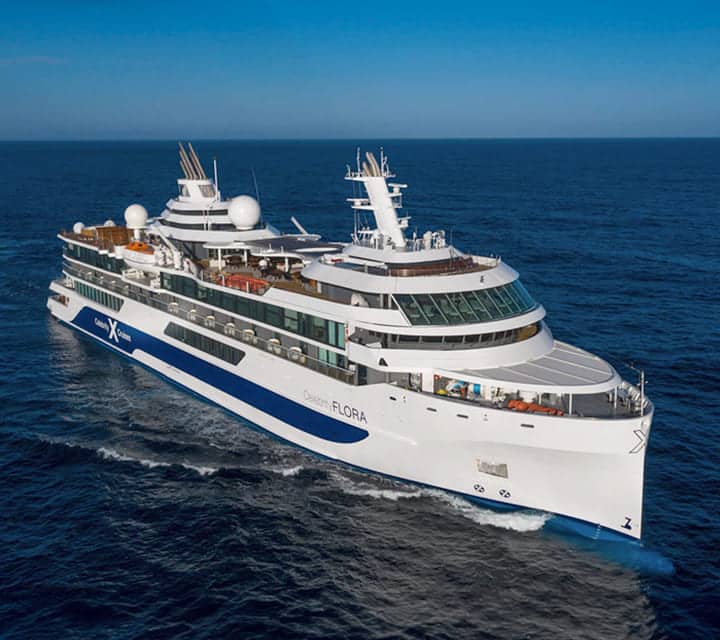
Medium & Large Ships (From 48 up to 100 Passengers)
Medium and large ships do offer greater stability on the water compared to smaller yachts, thanks to their size—it’s simply physics. However, as we’ve mentioned, the waters around the Galapagos are relatively calm compared to many other cruising destinations. While the stability of a larger ship might seem appealing to travelers concerned about seasickness, this choice comes with significant trade-offs that impact the quality of your Galapagos experience and the unique wildlife encounters that are the main reason why 95% of visitors come to the islands.
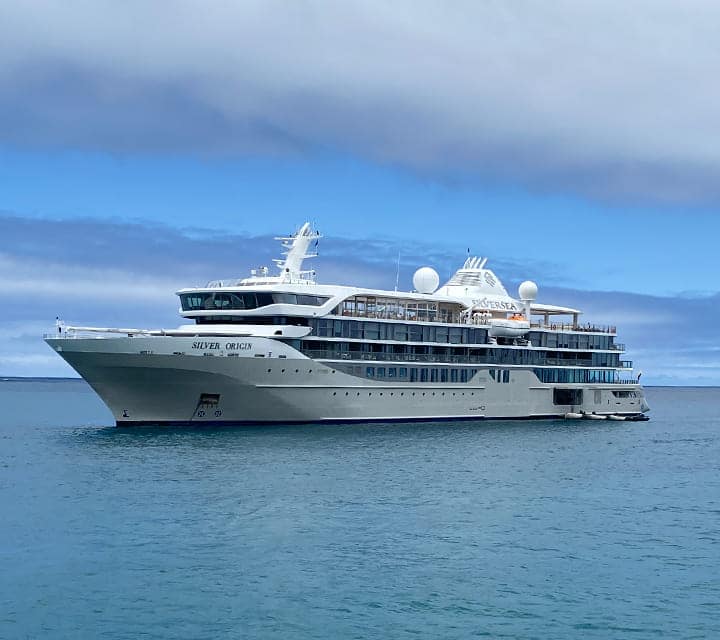
Larger ships often face restrictions in accessing secluded coves and remote visitor sites due to their size, limiting opportunities to explore areas that smaller vessels can easily reach. Their itineraries are also less flexible, as the logistics of managing larger groups can result in rushed activities and less time to immerse yourself in each destination. Excursions may involve long lines, and guests are often divided into 10 or more groups, which reduces interaction with naturalist guides and limits the intimate, personal experiences that make the Galapagos so special.
Small and Intimate Yachts (16–32 Passengers)
Small and intimate yachts, often provided by luxury operators in the Galápagos, cater to groups of 16 to 32 guests, offering an ideal balance of stability, access, and exclusivity. These smaller vessels can easily navigate to remote, secluded sites within the Galápagos National Park, allowing travelers to experience quieter, less-visited locations without the crowds.
For example, Quasar’s Evolution Yacht, with a capacity of only 32 guests, is a highly seaworthy vessel that combines excellent stability with ample space and a personalized environment that larger ships simply can’t match. Guests enjoy a smooth sailing experience where seasickness is rarely an issue. Similarly, smaller yachts like the Quasar Grace, accommodating just 16 guests, offer an even more private and relaxed atmosphere. This allows guests to fully engage with expert naturalists and explore at a leisurely pace.

While smaller yachts naturally have less inherent stability compared to larger vessels, the Quasar Grace is equipped with advanced stabilizers that significantly improve comfort during navigation, ensuring that even on yachts accommodating 20 guests or fewer, stability remains a priority for an exceptional experience.
Explore the best Galapagos cruise ship layouts There are many cruise ship features to consider when choosing the best Galapagos cruise, but the yachts that will turn your trip into the adventure of a lifetime are symbolic of the Galapagos: spacious, majestic, and most of all, unique.
- Guarantee The Perfect Adventure
- Avoid The Crowds
- Choose The Right Yacht For You
2.) The Role of Boat Stabilizers: Why They Matter
Stabilizers play a crucial role in a boat to reduce the natural motion of the ocean, providing guests onboard the vessel with a smoother journey. These devices are particularly valuable for those prone to seasickness, as they counteract the side-to-side rolling of the vessel.
How Stabilizers Work:
Stabilizers are hydraulic fins that extend from the hull and adjust to create resistance against the motion of the waves. This resistance reduces rolling and keeps the yacht steady, enhancing guest’s comfort.

Examples of Stabilizer-Equipped Yachts:
- Stabilizer Technology: Not all yachts have stabilizers, so look for vessels that specifically mention them, especially if you’re sensitive to motion.
- Hull Design: A monohull design with a deep keel and well-designed hull structure can enhance stability.
- Experienced Crew: Captains and crews who know the waters well can navigate in ways that minimize motion, adding to the stability of the journey.
- Quasa Grace: Outfitted with an advanced stabilizer system, the Quasar Grace yacht in Galapagos provides a steady ride even on longer crossings, ensuring guests a more comfortable and relaxing experience.
- Choose the Right Cabin
Cabins located mid-ship and on lower decks experience the least motion, thanks to basic physics. Opting for these cabins can greatly reduce the sensation of rocking. - Medication
Over-the-counter remedies like Dramamine or prescription scopolamine patches are effective at preventing nausea. If you love the benefits of traveling on smaller vessels but are concerned about seasickness, consult your doctor for advice on medications. - Natural Remedies
Ginger tea or capsules and acupressure wristbands are great alternatives for those who prefer natural solutions. - Stay Hydrated and Eat Light
Drinking plenty of water and avoiding heavy or greasy meals can help keep symptoms at bay.
What to Look for in a Galapagos Yacht:
Stabilizers, combined with the right design and experienced crew, mean that travelers can rest easy, knowing their journey will be as smooth as possible.
3.) Addressing Seasickness Concerns
Seasickness is a common concern for first-time cruisers or for experienced travelers trying a smaller yacht for the first time. Fortunately, the unique geography of the Galápagos Islands significantly reduces this risk. The islands form sheltered channels that break up large swells, providing much smoother sailing compared to most other destinations.
Tips for Avoiding Seasickness in Galapagos
4.) Real Experiences from Travelers: Insights and Testimonials
Travelers frequently discuss the advantages of smaller yachts over large cruise ships in the Galápagos. Many have shared positive reviews of yachts like the 32-guest Evolution yacht, which offers the stability of a larger vessel combined with the intimacy of a small-group experience. Guests often report that the yacht’s stabilizers and spacious design provided a smooth, comfortable trip.

Others who have sailed on the Quasar Grace Yacht appreciate the closer access to secluded sites and the personal connection with crew and naturalists. One traveler noted that after starting their trip with seasickness precautions, they found the waters calm enough to stop medication entirely after a few days.

For anyone looking to connect with past travelers for firsthand advice and tips, the Quasar Explorer’s Circle Facebook Group is an excellent resource. Here, you can ask questions, gain insights from fellow explorers, and prepare for your own unforgettable journey.
These testimonials highlight how the combination of stabilizers, knowledgeable crews, and the naturally protected waters of the Galápagos make seasickness less of a concern than many initially expect.
For travelers seeking flexibility, small-group experiences, and a deeper connection with the Galápagos, a Safari-Style Yacht Adventure offers an ideal way to explore. This approach prioritizes unhurried wildlife encounters and customizable experiences, much like a land-based safari but with the luxury of a yacht. With meticulously crafted 8-day and 15-day itineraries, guests experience diverse islands and landmarks daily. By maximizing sailing at night, each morning brings a fresh landscape, reminiscent of Darwin’s exploration, but in modern comfort.

Quasar yachts are dry-docked annually for comprehensive maintenance and undergo full remodels every few years, ensuring high standards of safety, quality, and comfort. The upcoming Conservation Yacht, featuring the Galápagos' first hybrid propulsion system, is also set to raise the bar in eco-friendly cruising by blending luxury with sustainability.

Travelers who choose luxury and adventure embark on a worry-free journey, immersing themselves fully in the Galápagos' beauty. This is a next-level, responsible exploration experience that combines stability, safety, and stewardship—ensuring each moment is memorable, peaceful, and adventurous.