Written by Victor Jaramillo Product Manager, Peru & Ecuador
Updated: June 12, 2026 Published: June 17, 2025
Every season tells a different story in Peru. Whether it’s the crisp, golden-hued landscapes of the dry season, the lush, misty tropical forest of the rainy season, or the perfect balance of adventure and solitude in the shoulder months—there’s no wrong time to go, only different ways to experience the land of the Incas.
In Peru, the difference between craggy mountains and humid jungle draped in mist can be a matter of steps. This is land of diverse landscapes that offer a wide variety of experiences throughout the year.
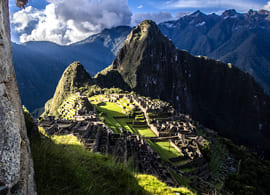
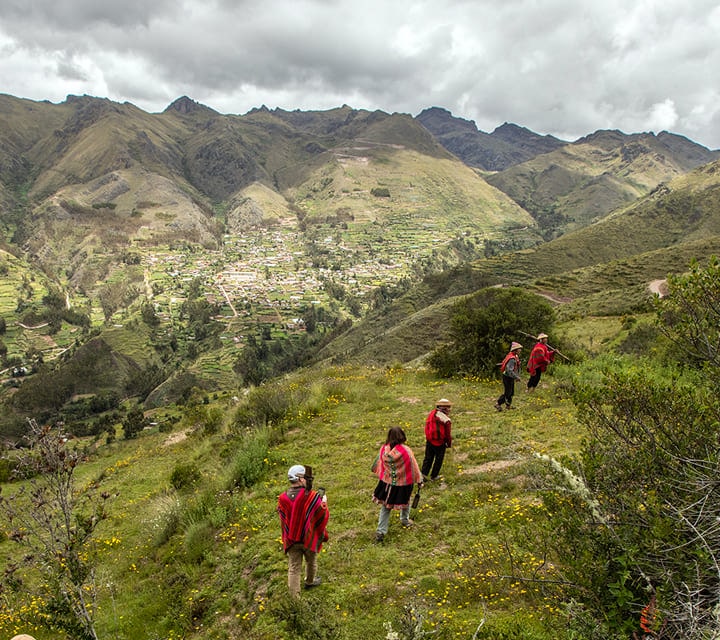
Whether you’re looking forward to exploring the agricultural terraces of the Sacred Valley, scanning the Colca Canyon for condors, or admiring the ruins of Machu Picchu against a backdrop of towering mountains, understanding Peru’s climate can help you feel prepared so you can live in the moment throughout your adventure.
Pick your adventure — dry season, rainy season, and shoulder seasons each bring Peru tours to life in unique and captivating ways.
Key Takeaways - When to Visit Peru
There is no single “best” month to visit Peru - the ideal time depends on the regions you want to explore and the type of experience you’re seeking.
The dry season (May–September) is generally best for hiking and mountain exploration - offering clearer skies and favorable conditions in the Andes and Machu Picchu region.
Shoulder seasons can offer a more balanced experience - with fewer crowds, milder conditions, and excellent opportunities for cultural and natural exploration.
Peru is a year-round destination with remarkable diversity - from the Andes and Amazon to the coast, each season reveals a different side of the country.
Peru’s Patchwork of Regional Climates
Imagine yourself aboard the Belmond Andean Explorer, watching the landscapes of Peru unfold before you. One moment, the train winds through the towering Andes, where deep valleys stretch endlessly beneath the sky. The next, lush greenery and rushing rivers signal your approach to the Amazon. Our Expedition Designer, Victor, recently experienced Peru this way—seeing the country’s diverse beauty flash by, full of color and brimming with life.
"The train snakes through the valley, hugging the mountains. It’s a very impressive landscape, like “The Lost World” between the Andes and the Amazon jungle, completely different from the Sacred Valley. The mountains rise like islands in a range that looks like a sea." -Victor
Peru is a land of multiple regions with very different climates, the most distinctive three being the highlands of the Andes, the Pacific coastline, and the Amazon rainforest. Each region offers its own unique draws throughout the year depending on the season, so to determine the best time to visit Peru, you’ll want to identify the kind of experience you’re hoping for.
Which Peruvian adventure is calling your name?
🌊🐚 Coastal Region
Along Peru’s coastline, dry dunes and cliffs meet the powerful Pacific Ocean. This is where you’ll find cities like Lima and Trujillo, as well as the mysterious Nazca Lines, the dramatic terrain of the Paracas National Reserve, and plenty of beaches.
The coastal region experiences a semi-arid subtropical climate, with warm temperatures in summer (from December to March) that are ideal for beach time and outdoor activities. In the winter (June to September), the area sees cooler temperatures and overcast skies.
🏔️ 🦙 Andes Mountains
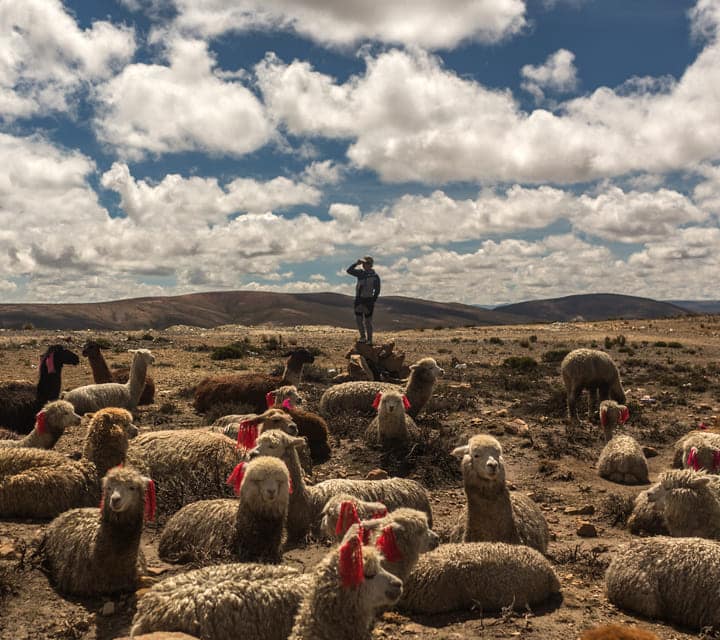
The Andes is the land of Apu mountain spirits—a spectacular region of Peru, where snow-capped peaks, turquoise alpine lakes, and thrilling adventures await. Cusco and Machu Picchu are some of the best-known destinations in the Andes, but the region is also home to places like the colonial city of Arequipa, the dramatic Colca Canyon, and Lake Titicaca.
During the dry season (from May to September), you can expect clear skies and comfortable temperatures that make for ideal trekking conditions. The wet season (from October to April) transforms the highlands into a verdant oasis but can make trails slippery and more challenging.
🌳 🐒 Amazon Rainforest
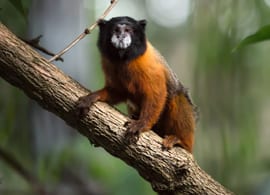
Peru’s Amazon Rainforest is a region brimming with life, where activities like trekking, kayaking, and river cruising bring you into the world of howler monkeys, sloths, river dolphins, toucans, and more. With its tropical rainforest climate, the Amazon is hot and humid year-round.
The dry season (from June to August) offers better accessibility and wildlife viewing opportunities, while the wet season (from November to March) means higher water levels, which may affect your ability to pursue activities in certain areas.
Remember that the Galapagos isn’t about the port towns or airports–it’s all about rare flora and fauna throughout the national park. Our nearly 4 decades operating in the Galapagos have taught us that an 8 day/7 night cruise is just right to maximize amazing animal encounters, experience the islands from both land and sea, and balance your trip with optimal relaxation.
What to Expect of Peru’s Weather Throughout the Year
Summer and Rainy Season (January-March): The Season of Lush Greenery and Beach Time
The idea of visiting Peru during the rainy season may sound–well–wet, but this is actually one of the most beautiful times of year to be in the country, when formerly arid hillsides turn green and coastal cities enjoy some of their most pleasant weather.
Weather: Along the coast, summer brings warm temperatures perfect for beach enthusiasts. Meanwhile, the Andes and Amazon regions experience their peak rainy season, leading to lush landscapes but potential travel disruptions. Expect temperatures that hover between 75°F-95°F (24°C-35°C) in the coastal areas, highs of 75°F (24°C) in the Andes, and temperatures up to 90°F (32°C) in the Amazon.
Best for: Sunbathing and surfing in the coastal region. The Inca Trail is closed in February for maintenance, but other routes to Machu Picchu remain open, with fewer hikers on the trails than usual.
What to keep in mind: Be prepared for rain-induced challenges in mountainous and jungle areas--some activities may not be available due to limited accessibility and mosquitoes may be abundant. Coastal regions, though not as dramatically affected by the wet season, see fewer sunny days during this period.
Transition to Dry Season (April-May): An Underrated Trekking Season
The idea of visiting Peru during the rainy season may sound–well–wet, but this is actually one of the most beautiful times of year to be in the country, when formerly arid hillsides turn green and coastal cities enjoy some of their most pleasant weather.
Weather: Rainfall decreases, especially in the Andes and Amazon, signaling the start of the dry season. Temperatures in the Andes and coast hover around 70°F (21°C), while the Amazon stays in the mid-80s°F (around 27°C).
Best for: Trekking in the Andes, including the Inca Trail, with freshly green forest enhancing the scenic beauty. During this time, the Amazon also becomes more accessible for wildlife spotting as water levels recede.
What to keep in mind: April and May offer a balance between favorable weather and moderate tourist numbers, making it a desirable time for many travelers. Though the rainfall is decreasing, it’s still a good idea to be prepared for rain showers.
Winter and Dry Season (June-August): Peak Time for Cultural and Natural Discovery
With clear skies and a number of cultural festivals that provide insight into the country’’s soul, this is the most popular time to visit Peru. If you don’t mind exploring during high season, consider scheduling your Peru adventure for this time.
Weather: The coast sees cooler temperatures (around 60°F, 15°C) and overcast skies, while the highlands experience dry, sunny weather with highs of 75°F (24°C) and the jungle is warm but relatively dry.
Best for: Trekking (including the famed Inca Trail to Machu Picchu) and attending local events such as the Incan festival of the sun, Inti Raymi, in June.
What to keep in mind: This is peak tourist season, especially around major holidays. Expect larger crowds and higher prices for accommodations.
Shoulder Season (September-October): Peru’s Sweet Spot
During the shoulder season, Peru experiences comfortable temperatures from coast to jungle. There are also fewer visitors during this time, allowing travelers to engage more deeply with Peru’s many wonders.
Weather: The dry season continues with pleasant temperatures, especially in the Andes and Amazon, while the coast begins to warm up in anticipation of summer. Averages range from around 70°F (21°C) in the highlands and coast to 84°F (29°C) in the jungle.
Best for: Trekking, exploring archaeological sites with fewer tourists, and viewing wildlife in the Amazon as animals are lured out of the jungle to receding water sources.
What to keep in mind: Traveling during these months can provide a more laid-back experience, with reduced tourist traffic and favorable weather conditions.
Onset of Rainy Season (November-December): The Coast Comes Alive
Rainfall begins to increase, particularly in the Andes and Amazon, while the coast enjoys warm and sunny days, with temperatures routinely hovering in the realm of 86°F-104°F (30°C - 40°C).
Weather: The dry season continues with pleasant temperatures, especially in the Andes and Amazon, while the coast begins to warm up in anticipation of summer. Averages range from around 70°F (21°C) in the highlands and coast to 84°F (29°C) in the jungle.
Best for: Beach activities by the coast. November can still be suitable for trekking before the heavier rains set in.
What to keep in mind: As the rainy season begins, conditions on some highland trails may become challenging.
How to Pack for Peru’s Climate
Having just returned from Peru with his family, our Expedition Designer Victor has a few must-know tips to help you pack like a pro. His biggest takeaway? Be ready for anything.
Peru’s landscapes are as dynamic as its culture—one moment, you’re under the Andean sun; the next, you’re walking through misty cloud forests. Here’s what he swears by for a smooth adventure:
Don’t forget a hat and sunscreen. Many of the most scenic destinations in Peru are located at high altitude, which puts you at greater risk of sunburn. Remember to pack a hat and sunscreen, even if you’re visiting during the rainy season.
Bring layers. Especially in the mountains and jungle, the weather can change quickly, so bring lightweight layers for ultimate comfort.
Pack mosquito spray. If you’re visiting during rainy season or heading to the Amazon, make sure to bring protection against mosquitoes.
Choosing the Best Time to Visit Peru
Each season shows off a different facet of Peru’s cultural and natural wonders. Whether you’re trekking storied trails through the Andes, standing in awe of Incan ruins, discovering wildlife hidden in the Amazon, or connecting deeply with Peru’s vibrant cultural traditions in the Sacred Valley, you’re in for a memorable adventure at any time of year.
Why stop at one bucket-list destination when you can experience two—effortlessly? After your Galapagos Yacht Safari, adding Peru’s most iconic wonders to your journey is easier than you think. Walk in the footsteps of the Incas, explore the Sacred Valley, marvel at Machu Picchu, or venture deep into the Amazon—all in one seamless trip.
With Quasar, every detail is handled, from expert guides to luxury stays and smooth transitions between destinations. All you have to do is choose the Peru adventure that calls to you—we’ll take care of the rest.
Victor Jaramillo is Quasar's Product Manager for Peru and Ecuador and a passionate ambassador for South American travel. His deep love for nature, culture, and history fuels every journey he helps craft—from the peaks of the Andes to the heart of the Amazon. Fascinated by the stories, mysteries, and ancient roots that shape each destination, Victor sees travel as a way to connect people with the beauty, mystique, and wonder of the past and present. His firsthand knowledge and enthusiasm shine through in every experience he brings to life.
For anyone who’s read Mr. Popper’s Penguins or enjoyed watching these flightless seabirds zip around an aquarium or zoo, a trip to Antarctica might seem like the ultimate treat for curious children. Where else can you go to watch penguins slide around on ice, in nature? That said, traveling to the ends of the earth …
Machu Picchu has long captivated travelers with its remarkable history and mystical mountain setting. But as you’re planning a trip to this wonder of the world, the logistics can feel like an obstacle that stands in the way of your bucket-list adventure. How do you actually get to this remote Incan citadel? What’s the closest …
Most travelers reach Peru by flying into Lima, the country’s main international gateway. From there, domestic flights and other connections make it easy to explore destinations like Cusco, Machu Picchu, the Sacred Valley, the Amazon, and beyond. That is the practical answer. The more meaningful one is that Peru is not a destination that reveals …
Close your eyes and imagine arriving in Antarctica. Maybe you’re bundled up in layers on the deck of an expedition ship, and rewarded with the sight of white cliffs emerging from an inky sea spotted with crumbling glaciers. Or maybe you’re touching down on a remote landing strip, watching as an endless white wilderness seems …