Visiting Torres del Paine National Park, a crown jewel of Southern Patagonia, is a dream for many nature enthusiasts. This UNESCO Biosphere Reserve offers stunning landscapes, unique wildlife, and unparalleled adventure experiences. However, to maintain the park's pristine environment and ensure the safety of all visitors, complying to certain rules and guidelines is crucial.
Key Takeaways - Torres del Paine Rules & Guidelines
Torres del Paine National Park has important rules designed to protect its fragile ecosystems - helping preserve the region’s wildlife, landscapes, and trails for future generations.
Preparation is essential when exploring Patagonia - weather conditions can change quickly, making proper planning and awareness especially important.
Visitors are expected to follow strict safety and environmental guidelines - including staying on marked trails, respecting wildlife, and following fire restrictions.
Understanding the park’s guidelines leads to a safer and more rewarding experience - allowing travelers to explore responsibly while fully appreciating Patagonia’s remote beauty.
1. General Conduct and Environmental Protection
Respect Wildlife: Torres del Paine is home to diverse wildlife, including guanacos, foxes, and the elusive puma. Respecting the animals and their habitat is extremely important. Do Not Feed the Animals: Feeding the Patagonia animals disrupts their natural diet and behavior, potentially leading to dangerous encounters. For example, animals that become accustomed to human food may become aggressive or dependent on humans for sustenance, disrupting the natural balance. Maintain a Safe Distance: Always observe animals from a distance to avoid stressing them or provoking defensive actions. Use binoculars or a camera with a zoom lens for a closer look without getting too close. Stay on Designated Trails: Straying from marked trails can cause erosion and disturb the habitat. Erosion Control: Walking off-trail damages the vegetation and soil structure, leading to erosion. This not only harms the environment but can also make the trails less safe for future hikers.
Safety: Most accidents occur off-trail. Uneven terrain, hidden obstacles, and unexpected encounters with wildlife are more likely when you're not on a designated path. Carry Out All Waste: All garbage must be packed out of the park. Littering is punishable by law (Law 21,123). Pack It In, Pack It Out: Bring a durable bag to carry your trash. Even biodegradable items like fruit peels should be packed out, as they can attract wildlife and disrupt natural behaviors. Sanitation: Use designated restrooms when available. If you must go in nature, follow “Leave No Trace” principles: dig a small hole at least 200 feet from water sources, trails, and campsites, and bury human waste. Pack out toilet paper and hygiene products.
2. Safety Tips for Hikers
Water Consumption: You can drink water from streams and rivers, but always collect it upstream from trails and campsites to ensure it's clean. Purification: Consider bringing a portable water filter or purification tablets, especially if you're uncertain about the water quality. Hydration: Stay hydrated, but don't overdo it. Drinking too much water without adequate salt intake can lead to hyponatremia, a dangerous condition. Trail Hours: Trails close at designated times to prevent hikers from being caught out after dark. Only park rangers can authorize hiking after hours in exceptional situations. Plan Your Day: Start your hikes early to ensure you have plenty of daylight. Know the closing times of the trails and plan your route accordingly. Weather Precautions:Patagonia weather is highly unpredictable. Always wear layered clothing suitable for rain, wind, and snow.
Layering: Use the layering system: a base layer to wick moisture, an insulating layer for warmth, and a waterproof/windproof outer layer. Extra Gear: Carry a hat, gloves, and an extra set of dry clothes. Even in summer, temperatures can drop suddenly, and rain can soak through clothing quickly. Trail Registration: Register your arrival at ranger stations. For specific camps like Paso and Perros, you must also register your departure. Safety Record: Registration helps rangers keep track of visitors in case of emergencies and ensures that everyone returns safely.
3. Camping and Cooking Regulations
Authorized Campsites Only: Camping is only allowed in designated areas. Unauthorized camping is strictly prohibited. Leave No Trace: Use established campsites to minimize your impact on the environment. Avoid disturbing vegetation and wildlife habitats. Quiet Hours: Respect quiet hours in campsites to ensure a peaceful experience for all visitors. Cooking Rules: Use only stoves that do not use vegetable material as fuel, and only in specially designated areas. Open fires are prohibited and penalized by law (Law 20,653). Safe Cooking: Use portable camp stoves and follow safety instructions. Never leave a lit stove unattended. Food Storage: Store food securely to prevent attracting wildlife. Use bear-resistant containers if available, and keep food and scented items away from your sleeping area.
4. Restricted Activities
No Smoking: Smoking is banned to prevent forest fires. Violations can lead to immediate expulsion from the park. Fire Risk: Patagonia's dry conditions and strong winds make it highly susceptible to wildfires. A single cigarette butt can ignite a devastating fire. No Pets: Pets are not allowed as they can disturb wildlife and spread diseases. Wildlife Protection: Pets can chase or harass wildlife, leading to stress or injury. They can also bring diseases that native animals are not resistant to. No Swimming: Swimming is prohibited in all park water bodies due to the high risk of asphyxiation from cold temperatures. Safety First: The waters in Torres del Paine are glacial and extremely cold. Hypothermia can set in quickly, even for strong swimmers. Drones and RC Devices: The use of drones is forbidden as they disturb the fauna. Violators will be expelled and reported to the General Directorate of Civil Aviation. Disturbance: Drones can scare animals, disrupt their natural behaviors, and even lead to abandonment of nests or young.
5. Wildlife Observation and Interactions
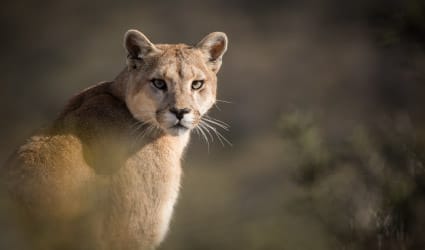
Quiet Observations: Move quietly and avoid playing music with speakers. Wildlife is more active and natural sounds are more enjoyable without noise pollution. Natural Experience: Enjoy the sounds of nature. Use headphones if you want to listen to music or other audio. Puma Encounters: If you see a puma, stay calm, do not approach, and do not run. Back away slowly while making eye contact. If the puma continues to approach, try to appear larger by raising your arms and opening your jacket. Safety Measures: Speak firmly and calmly to the puma. If you have children with you, pick them up without bending over or turning away from the animal. Do not play dead.
When to Visit Patagonia
A COMPLETE GUIDE TO PATAGONIA'S SEASONS, CLIMATE, & WILDLIFE ACTIVITY
Download our detailed month-by-month guide to discover which animals you can see and what weather to expect.
Fill out the form below and check your inbox in a few minutes.
6. Cycling, Horseback Riding, and Other Activities
Cycling: Bicycles are only allowed on vehicular roads. Cycling on the W and Macizo Paine circuits is prohibited. Authorized Routes: Check with park rangers for designated cycling routes. Always wear a helmet and reflective gear for safety. Horseback Riding: Only allowed with authorized companies and on designated trails. Guided Tours: Use services from authorized tour operators who know the trails and can ensure a safe experience. Fishing: Allowed in the Serrano River and Toro Lake with proper gear and catch-and-release practices. All gear must be disinfected to prevent the spread of invasive species like Didymo algae. Permits Required: Obtain necessary fishing permits and follow local regulations. Clean your gear thoroughly before and after use. Sailing: Requires special permits processed at the park’s Administrative Headquarters. Regulated Access: Ensure your sailing plans comply with park regulations and weather conditions.
7. Driving Precautions
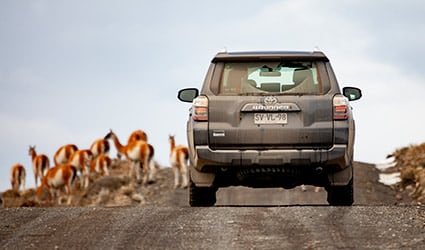
Speed Limits: Respect speed limits to avoid accidents and to protect free-roaming wildlife. Wildlife Crossings: Drive slowly and stay alert for animals crossing roads, especially at dawn and dusk. Stay on Roads: Do not park on curves and only use designated viewpoints for stopping. Safe Parking: Use designated parking areas to avoid obstructing traffic and ensure safety for all park visitors. Fuel: There are no fuel stations within the park. Ensure you have enough fuel, reserving at least a quarter tank for the return trip. Plan Ahead: Fuel-up in Puerto Natales before entering the park. Carry a spare fuel canister if possible.
8. Emergency Information
No Cell Coverage: There is no cell phone signal within the park. In emergencies, contact a ranger or a guide with radio equipment. Communication: Familiarize yourself with the locations of ranger stations and emergency contact points. Emergency Contacts: Administrative Headquarters (+56612360496) and Carabineros de Chile (+56612761139) are reachable via satellite phone. Preparedness: Carry a first-aid kit, emergency supplies, and a map of the park. Know how to use a satellite phone if you have one.
Being Responsible & Respectful of Torres Del Paine
Torres del Paine National Park is a treasure that requires responsible and respectful visitation to preserve its natural beauty for future generations. By adhering to these rules and guidelines, you not only protect the environment but also enhance your own safety and the quality of your experience. Enjoy your adventure in one of the most stunning landscapes on Earth, and help keep it wild and pristine.
Remember, the key to a successful and enjoyable visit to Torres del Paine lies in preparation, respect, and awareness. By following these detailed guidelines, you contribute to the conservation efforts that make this park a global natural heritage site.
Hello! My name is Tasha. I love to travel to see new places and meet new people. I am passionate about creating unique travel experiences for adventurous travelers with a desire to see some of the most remote corners of South America. I have traveled extensively to Patagonia, Chile, Argentina, Galapagos, Ecuador and many other areas of this wild continent and I am eager to share my knowledge with the world.
Chile is one of South America’s most diverse destinations, offering everything from Patagonia and the Atacama Desert to vibrant cities, wildlife, wine country, and rich cultural experiences. Chile rewards travelers who are drawn to discovery, those who want to venture farther, look closer, and experience a place in great depth. Stretching from the driest desert …
The Atacama Desert offers some of the best stargazing in the world. It’s also the closest you can get to Mars without getting in a spaceship, with its solid ocean of crusted sand flats, volcanic geothermal field that erupts into geysers, and wind-sculpted red rock formations. The desert seems to stretch on to the ends …
Step into the soulful city of Valparaiso, Chile, and notice as the vibrancy of art, color, and culture gets turned up a notch. This coastal city is a UNESCO World Heritage Site, known for its bohemian arts community and buildings of all shades of yellow, red, and blue that spill down steep hills toward the …
Torres del Paine National Park offers some of the most dramatic landscapes in the world, where photography becomes a way to capture not just the scenery, but the depth and emotion of Patagonia itself. In the far south of Chile, where the Andes meet the windswept plains of Patagonia, lies Torres del Paine National Park, …