


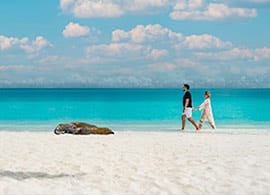


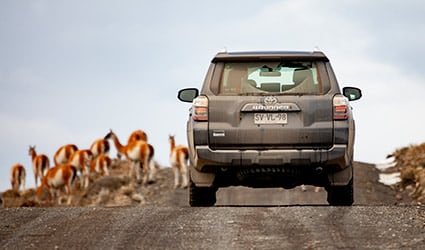
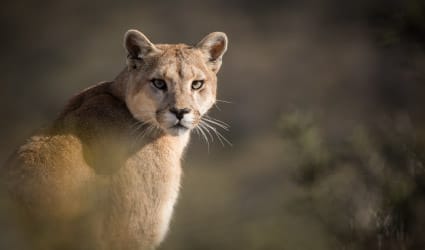
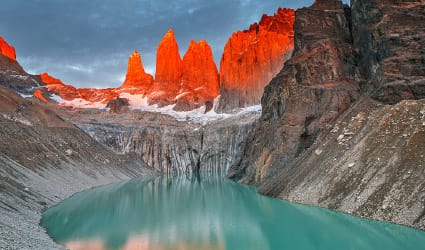








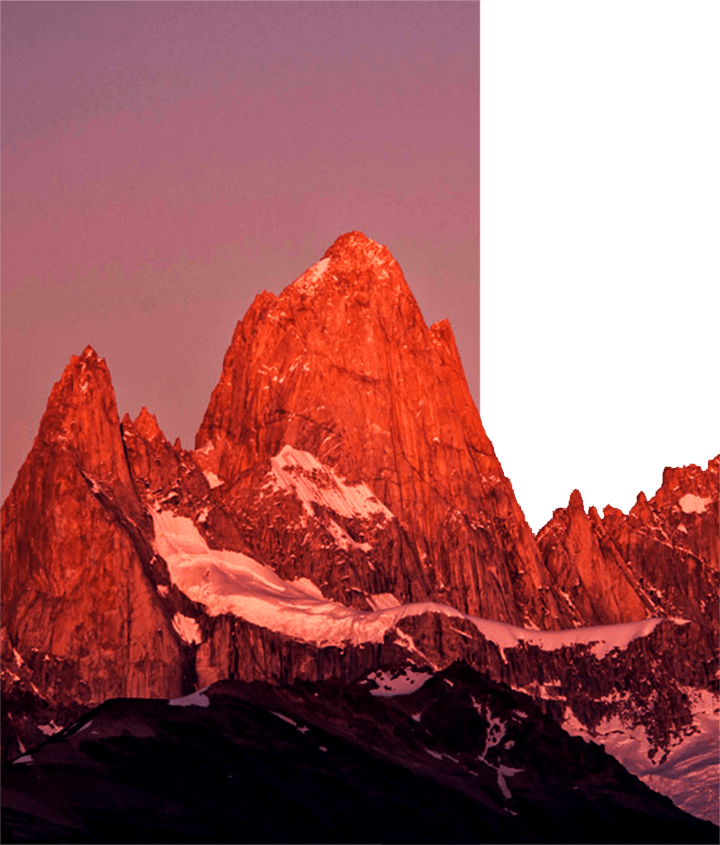
Golden plains stretch beneath endless skies, glaciers glisten in the afternoon sun, and the towering Paine Massif cast shadows over untouched wilderness. Patagonia is a land of contrasts, where nature defines every journey.
One day, you could be hiking beneath the spires of Torres del Paine, the air crisp and the sky a deep blue. The next, a light mist rolls in from the fjords, adding a touch of mystery to the landscape. Understanding Patagonia’s seasons is about more than just visualizing the weather. It’s about choosing the ideal conditions for your adventure.
Key Takeaways – Patagonia Weather & Seasons
- Patagonia’s weather changes quickly, making layered clothing and preparation important in every season.
- Summer brings long days, while spring offers wildflowers, wildlife, and fewer travelers.
- Autumn delivers colorful landscapes and quieter trails, while winter transforms Patagonia with snow.
- Patagonia can be explored year-round, with each season offering distinctly different experiences.
From snow-capped peaks to golden forests, watch Southern Patagonia transform month by month—in less than a minute! See how each season shapes the landscape and discover the best time for your adventure.
The Ever-Changing Beauty of Southern Patagonia
In the far reaches of the Southern Hemisphere, Patagonia’s landscapes are shaped by powerful natural forces. The Roaring Forties—strong westerly winds sweeping across the region—bring rapid weather shifts, crisp air, and ever-changing skies. The interplay of ocean currents, imposing mountain ranges, and vast ice fields creates a dynamic climate, where a sunny afternoon can quickly give way to a light rain or even a dusting of snow, even in summer.
Unlike the intense heat of some destinations, Patagonia’s fresh mountain air invites you to explore comfortably year-round. Summers bring long, warm days perfect for adventure, while autumn sets the landscape ablaze with fiery foliage. Winters are serene and magical for photography, and spring bursts forth with wildflowers and wildlife returning from their seasonal retreats. All this means there is no bad time to visit Patagonia.
Patagonia’s Glaciers: A Year-Round Spectacle
There is a moment in Patagonia that every traveler remembers: the first time they hear the deep, thunderous crack of a glacier calving into the sea. It’s a sound that echoes through time, a reminder that this is one of the last truly wild places on Earth.
Located within Los Glaciares National Park, Perito Moreno Glacier is one of the world’s few advancing glaciers and among Patagonia’s most accessible and awe-inspiring ice formations. Visitors can witness massive ice calving events as towering chunks of ice break off into the lake below. The glacier’s famous ice arch collapse—a rare natural phenomenon—draws travelers eager to experience this breathtaking display of nature’s power.
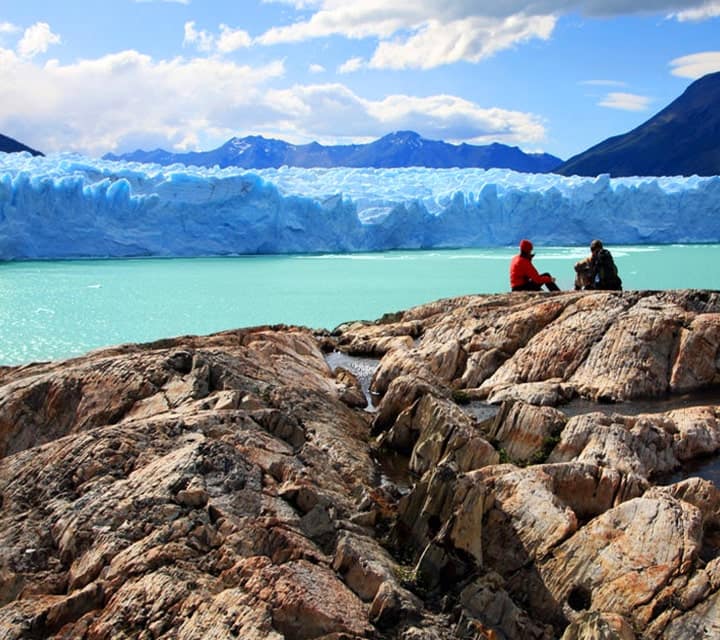
The best part? You don’t need to be an extreme adventurer to experience Patagonia’s glaciers. Many are easily accessible by boat, short scenic walks, or even by kayak, offering the perfect mix of exploration and relaxation.
A Guide to Patagonia’s Seasons: What to Expect Year-Round:
Spring (September – November): A Season of Renewal
Patagonia awakens in spring. This is the season when wildflowers bloom, guanacos roam freely, and birds fill the air with song. As the days grow longer, temperatures rise, and nature bursts into color, making it a wonderful time for photographers and wildlife lovers.
This is the season of rebirth, where each morning feels fresh, the landscapes vibrant, and the sense of discovery is alive in every corner of Patagonia.
- Average highs: 60-64°F (15-18°C)
- Best for: Birdwatching, blooming landscapes, and fewer tourists
- What to expect: Cool but pleasant temperatures, longer daylight hours, and fresh spring air

Summer (December – February): The Season of Endless Days
Imagine days that stretch late into the evening, offering limitless opportunities to explore Patagonia’s dramatic peaks, stunning landscapes, and glacial lakes. The air is refreshing and comfortable, perfect for discovering Torres del Paine National Park, cruising past fjords, or watching penguins waddle along the shore of Magdalena Island.
- Average highs: Around 72°F ( 22°C)
- Best for: Sightseeing, fly fishing, hiking, boat tours, and wildlife spotting
- What to expect: Long daylight hours, warm sunshine, vibrant green landscapes, and Patagonia's famous winds

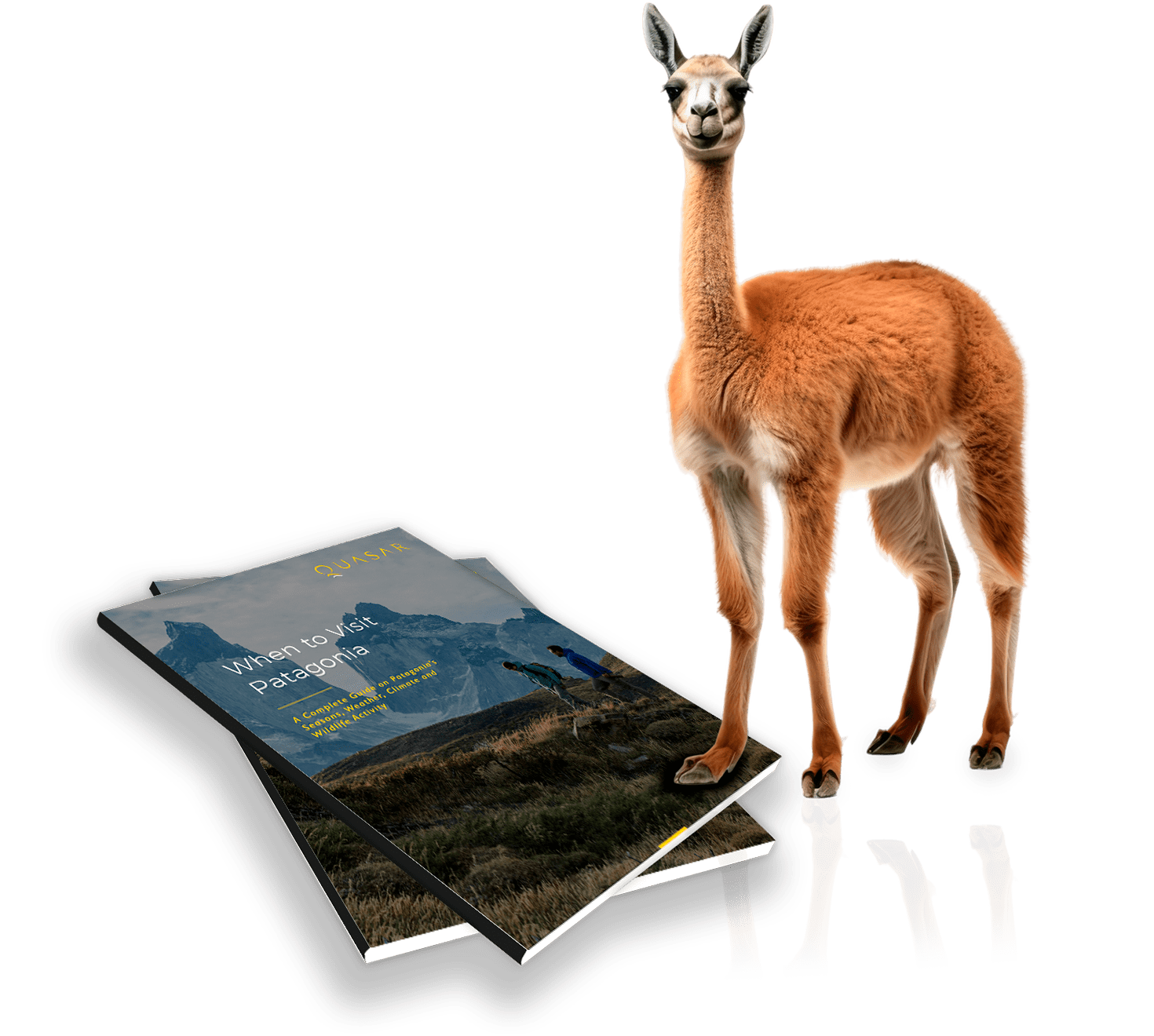
Download our detailed month-by-month guide to discover which animals you can see and what weather to expect.
- Guarantee The Perfect Adventure
- Avoid The Crowds
- Choose The Right Yacht For You
Fall (March – April): A Season of Colors
As autumn arrives, a golden glow blankets the landscape, foliage colors deepen, and the trails grow quieter. Crisp, fresh air invigorates every step, making this an ideal season for tranquil exploration.
- Average highs: 50°F (10°C)
- Best for: Peaceful hikes, tracking Pumas (consider a guided tour with Quasar's Puma trackers), breathtaking fall colors, and quiet lodges
- What to expect: Milder winds, cool mornings, and golden-hour sunsets
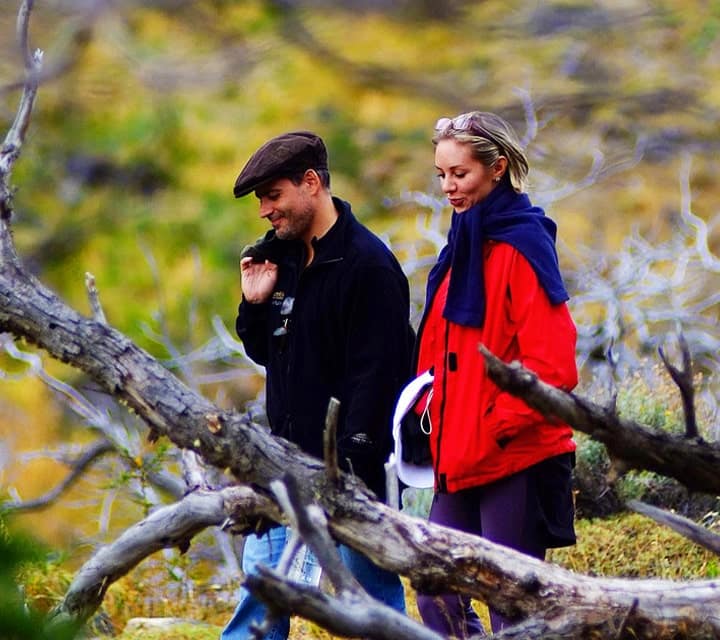
Easy hiking trails in Patagonia's cool weather region
This is the best time for photographers and those who crave tranquility. The lenga forests turn brilliant shades of red and orange, reflecting on the deep blue lakes below. With fewer travelers, it’s easy to find a quiet spot to take in the grandeur of Patagonia’s landscapes.
Winter (May – August): Patagonia’s Secret Season
For those who believe the most magical landscapes come dusted in snow, winter in Patagonia is a sight to behold.
The towering peaks of the Andes are tipped with white, glaciers glow under the low winter sun, and the trails and lodges feel exclusive and serene. While some areas close for the season, many national parks remain open, offering peaceful walks and breathtaking views with none of the summer crowds. That’s why we call this Patagonia’s Secret Season.
- Average highs: Around 40°F (4°C)
- Best for: Glacier viewing, photography, scenic drives, and quiet nature escapes
- What to expect: Crisp air with lower winds, elusive wildlife, breathtaking snow-covered mountains, and a national park that feels like it’s yours alone

How to Prepare for Patagonia’s Climate
No matter the season, being prepared ensures you can fully enjoy Patagonia’s landscapes and experiences.
- Sunscreen is a must – The region’s clear skies mean stronger UV exposure
- Layer up – Light, breathable clothing paired with a warm jacket ensures comfort
- Comfortable shoes – Whether you’re walking to a viewpoint or taking a scenic boat ride, good shoes make a difference.
Why Southern Patagonia is a Year-Round Destination
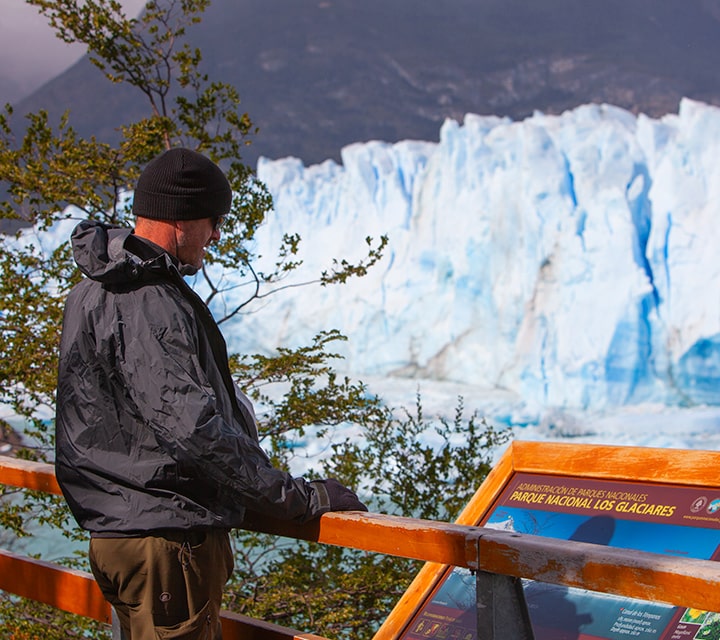
Southern Patagonia’s landscapes are constantly evolving, shaped by the seasons yet always breathtaking. From the mammoth glaciers of Los Glaciares National Park to the remote fjords and vast golden steppes, every time of year offers something unique—whether it’s autumn’s fiery landscapes, winter’s quiet, or the vibrant renewal of spring.
Summer’s extended daylight hours allow for long treks through Torres del Paine, while winter’s clear skies and soft light make it a dream for photographers and wildlife enthusiasts. Spring welcomes blooming wildflowers and returning migratory animals, while autumn’s cool air and rich colors create a striking contrast against Patagonia’s deep blue glaciers.

No matter your travel style, there’s a way to experience Patagonia that fits you. Whether it’s multi-day treks, glacial kayaking, or scenic drives through breathtaking landscapes, this region can be explored at any pace. As Patagonia Travel Experts, we craft personalized itineraries tailored to each traveler, ensuring your journey is as adventurous or relaxed as you choose.
For a more in-depth look at Patagonia’s seasonal weather patterns, temperatures, and expert travel advice Patagonia Climate & Weather Guide.


