










January is a great time to visit the Galapagos for warm weather, warmer and generally calmer seas, snorkeling, and seasonal wildlife activity. It also marks the beginning of green sea turtle nesting season and falls within an active breeding period for many land birds and reptiles.
While it’s true, there isn’t a ‘bad’ time to visit the Galapagos who wouldn’t want to escape to perfect, tropical spring and summer weather just as winter is hitting the US, Canada and Europe? If you’ve been waiting for the best time to travel to this unique island destination, here’s why traveling to Galapagos in January is the ideal winter vacation from the northern hemisphere.
Key Takeaways: Why Visit the Galapagos in January
- January falls within the Galapagos warm season—bringing warmer air and ocean temperatures, generally calmer seas, lush landscapes, and excellent conditions for swimming and snorkeling.
- Wildlife activity makes January especially rewarding—green sea turtles begin their nesting season, while breeding activity among birds and reptiles creates memorable opportunities for wildlife observation.
- January offers memorable marine encounters as well as time on shore—with opportunities to snorkel among sea turtles, sea lions, tropical fish, and other marine life in the archipelago's warmer waters.
- For travelers escaping Northern Hemisphere winter, January combines warmth, wildlife, and water-based adventure—making it an appealing month for a Galapagos cruise, though the islands offer exceptional wildlife experiences year-round.
1. Warm Tropical Weather & Calmer Seas
January falls within the Galapagos warm season, bringing warmer days, warmer seas, and generally calmer ocean conditions. While January is also part of the wetter season and brief periods of rain are possible, sunshine is plentiful between showers—creating inviting conditions for exploring beaches, snorkeling, swimming, and cruising between the islands.
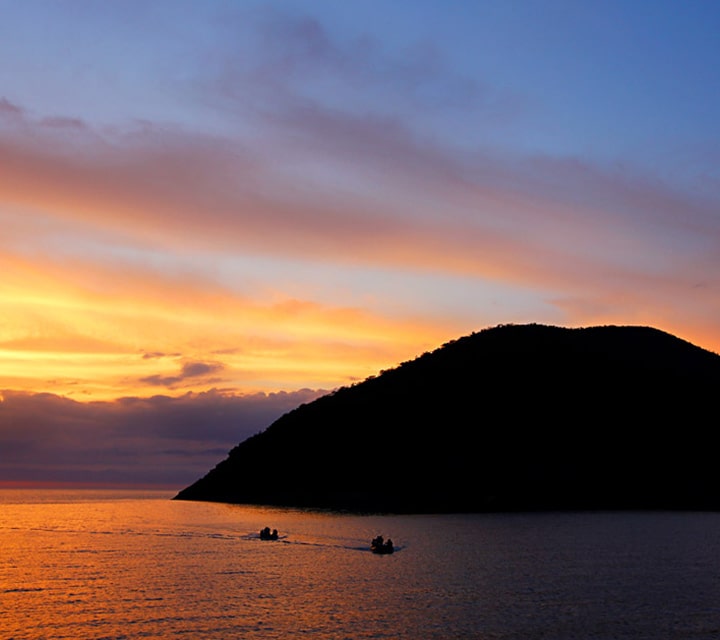
Temperatures for Galapagos Islands in January:
| Average Low: | Average High: | Water Temperature: | Average Rainfall: |
| 70°F | 85°F | 74°F | 2.0 inches |
2. Warm, Inviting Waters for Snorkeling
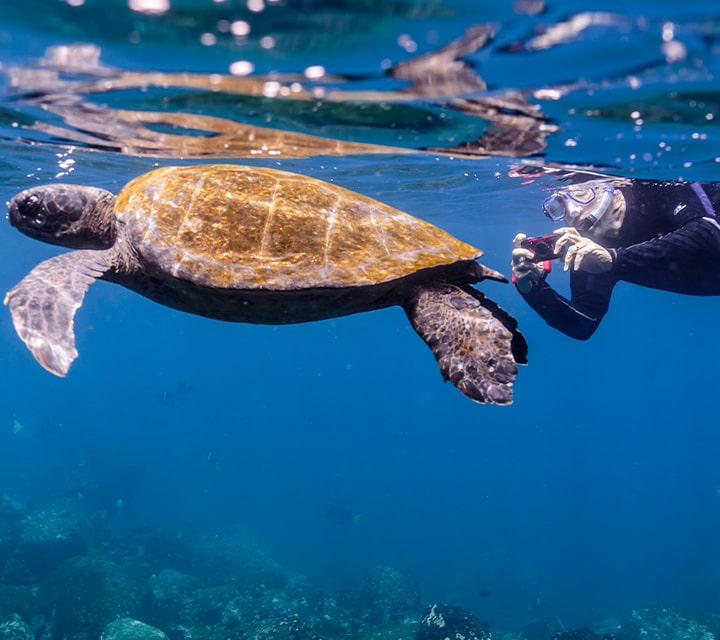
The Galapagos’ turquoise waters are possibly at their best during January when no rain means clear and calm conditions that offer incredible visibility. Jump on in to 74°F (24.5°C) water with friendly sea turtles, penguins, iguanas and even dolphins. Don’t forget the GoPro & waterproof cameras because you’ll more than likely be able to grab some great underwater shots too!
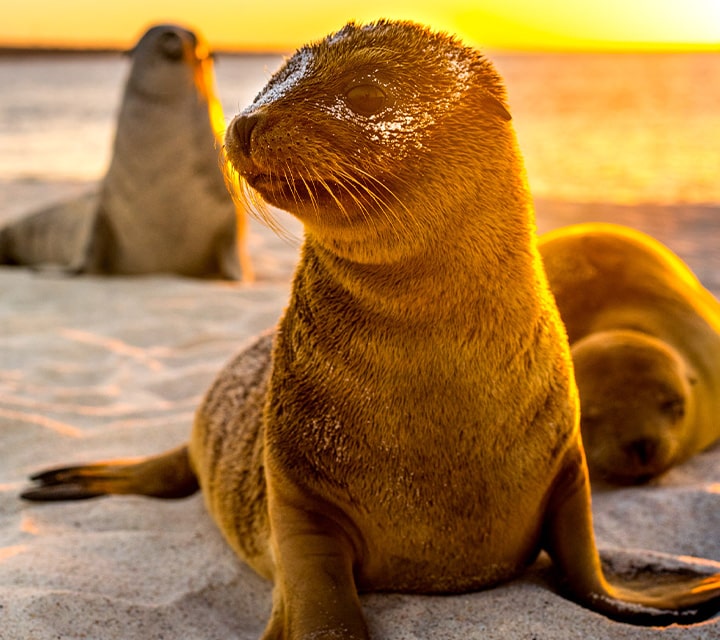
3. You’ll See Sea Lions
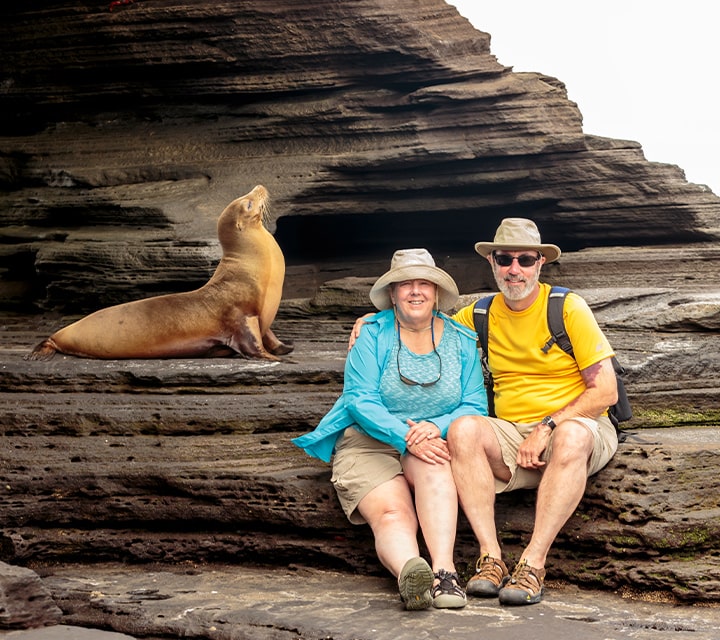
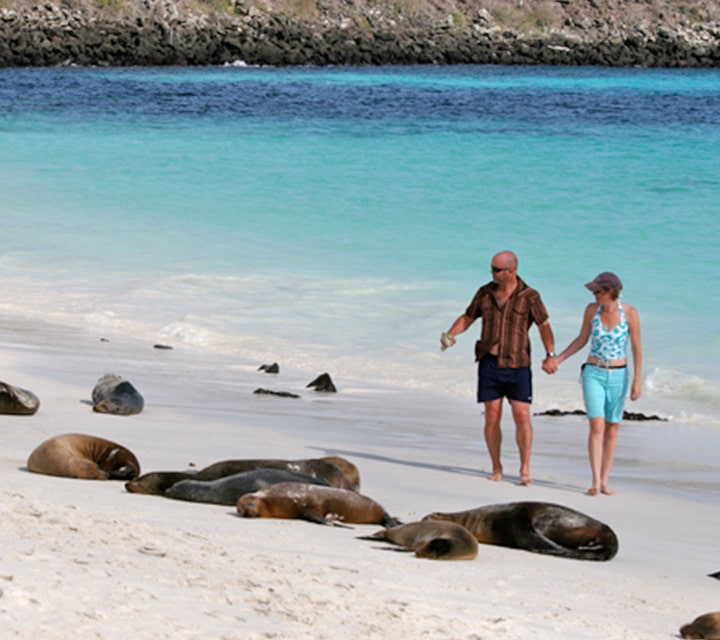
You know who else loves perfect beach weather? Sea lions! Some of the world’s most untouched, white sand beaches await you in the Galapagos in January, and you’ll be fortunate enough to be able to share them with lazing sea lions. Get up close to these inquisitive creatures or hop in the water with them as the cubs gently nip at and play with your snorkeling fins.
Download our detailed month-by-month guide to discover which animals you can see and what weather to expect.
DOWNLOAD THE GUIDE
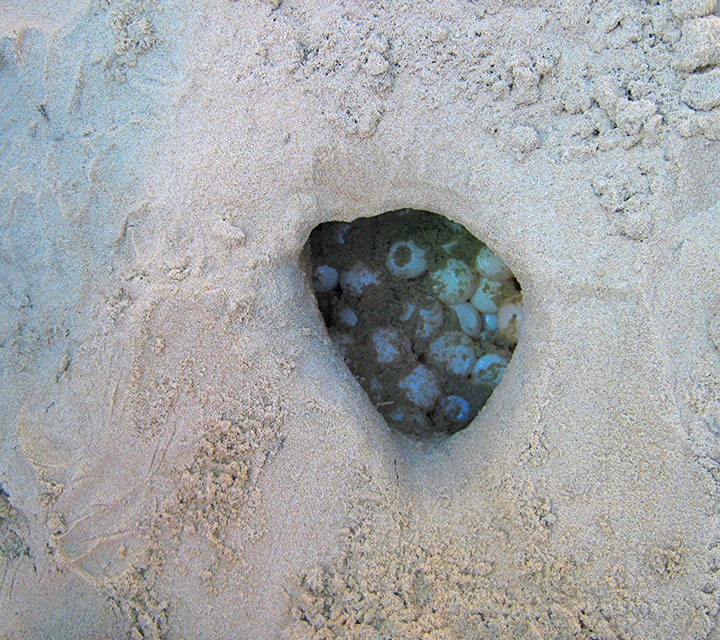
4. Green Sea Turtles Begin Laying Eggs
The Galapagos is a nature destination so what better time to visit than when the ever-popular green sea turtles start laying their eggs on the beaches? That’s right! While you’re sunbathing in the Galapagos in January, watch as sea turtles scramble out of the sea to lay their eggs.
5. Best Time for Bird life
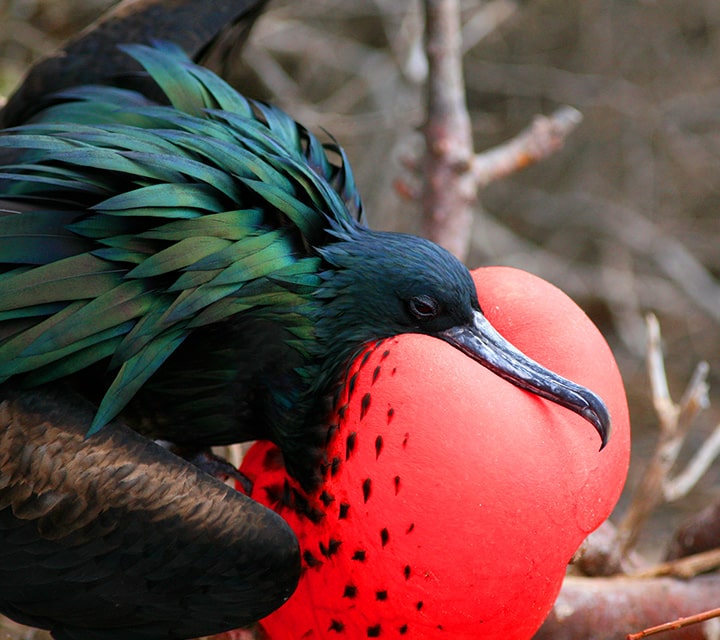
Marking the start of mating season for many birds in the Galapagos, January is one of the best months to visit if you’re interested in witnessing these interesting and unusual birds up close. You’re likely to see red-footed, blue-footed and masked boobies, magnificent and great frigate, flightless cormorants and even flamingos throughout the islands.
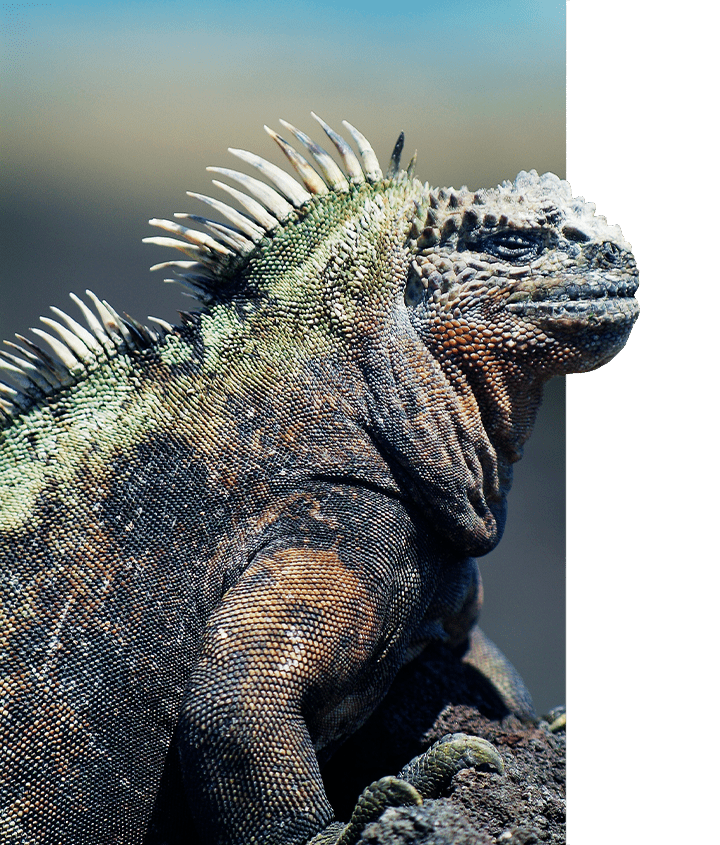
6. Experience ‘Christmas' Marine Iguanas
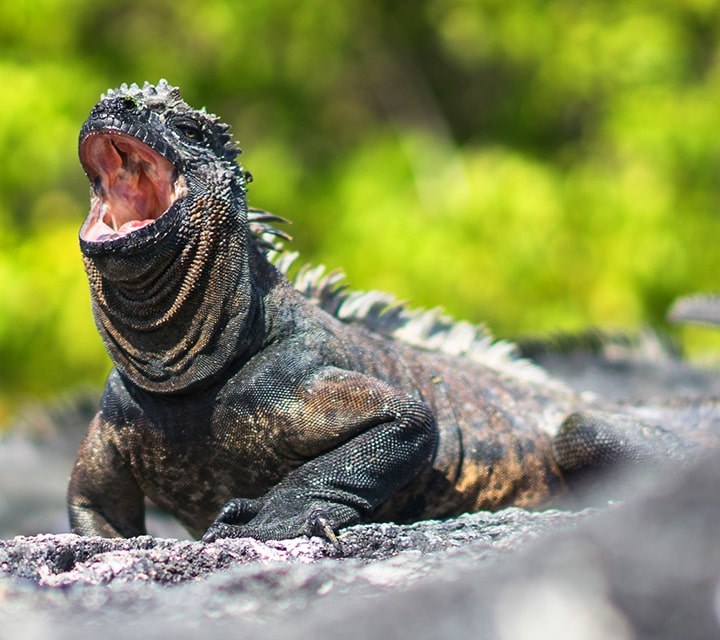
While January is mating season for Marine Iguanas, on Espanola Island, the females of this unique breed change colors to be bright red and green in order to attract mates. It’s an impressive sight to see but you’ll also most likely be able to see male iguanas fighting over females on Isabela Island too.
7. Enjoy Nature Without the Crowds
The holiday period is without a doubt, the busiest time in the Galapagos. So, when January rolls around and the kids tend to be back at school, you’re far more likely to have the islands to yourself for a more relaxing and authentic experience with lots more wildlife.
8. Save Money
Because most of the visitors have gone home come January, traveling to the Galapagos in January is generally less expensive. Tour companies, hotels and restaurants usually drop their peak surcharges, so your money will take you further.
Better weather, fewer crowds and the opportunity to save money! If the Galapagos is your January vacation destination, visit our Galapagos cruise page for more information about our yacht trips or contact us using the form below.